 KidNestClub
Parenting Tips & Routines
Infant Sleep Routine: A Day-by-Day Shape for 0 to 12 Months
The first year does not run on one schedule. It changes shape four times. Below there is one section per stage — 0 to 3 months, 4 to 6, 7 to 9, and 10 to 12 — each with the day shape to try, the wind-down cue that fits it, and what to watch for. Read only the stage your baby is in. The rest is for later.
By KidNestClub · Updated 12 November 2026
Total scope: four stages, one section each · Ages 0-3 months, 4-6, 7-9 and 10-12 · A notebook or a notes app for two weeks of times.
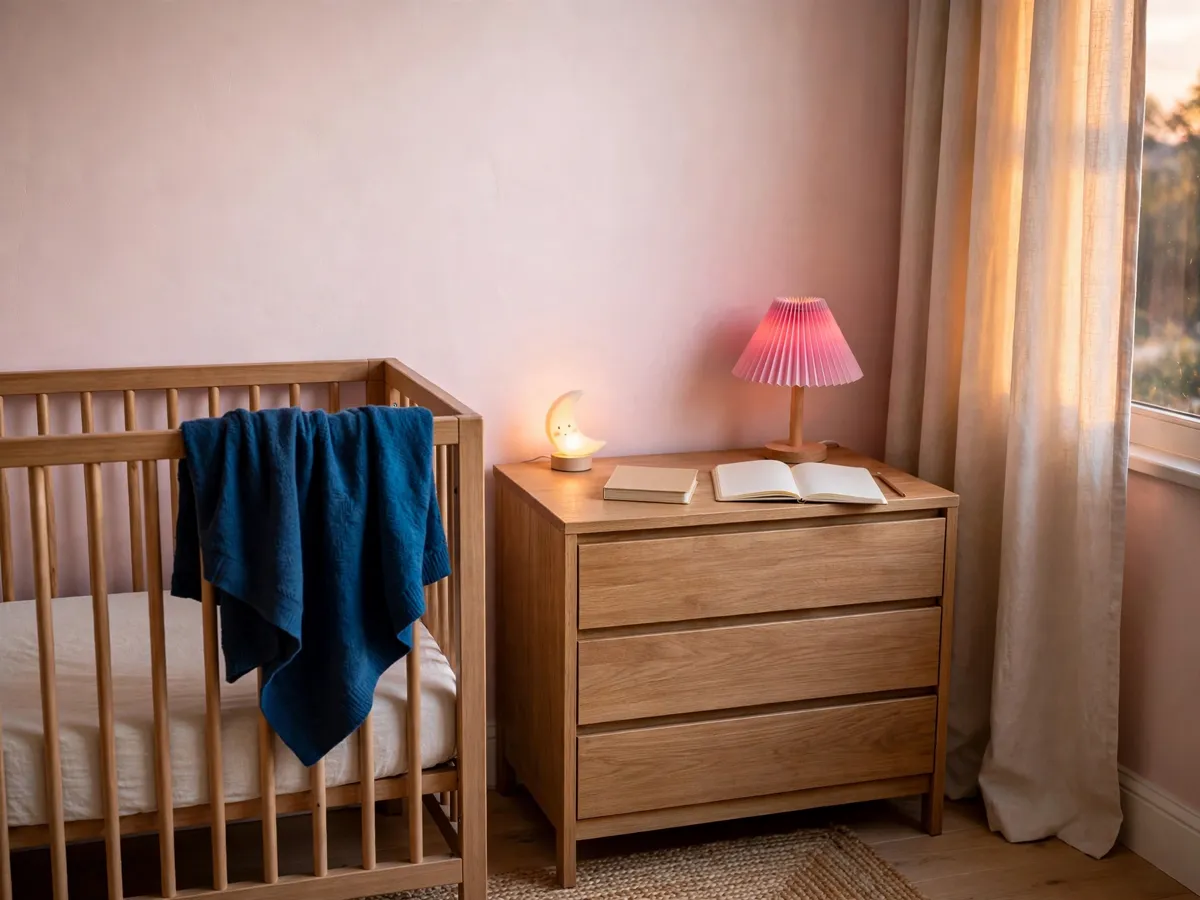
0 to 3 months: the day runs on feeds, not the clock
There is no routine to hold onto here, and no point chasing one. Feed when your baby asks, day or night, and let sleep land where it lands. The one thing worth setting up now is the difference between day and night: curtains open and ordinary household noise through the day, dim light and quiet voices after dark. Do the night feeds with as little fuss as you can manage.
Wind-down cue: pick one short thing you do before every sleep and keep it. The curtain pulled across, one song sung the same way, the same closing phrase. Two minutes is plenty, and the same two minutes before a nap and before bedtime.
Watch for: day and night staying mixed up for a while, and the longest stretch landing in the middle of the afternoon. Write the times down for a week if it steadies you — there is a pattern in there even when the nights feel long.
Ages 0-3 months · no fixed clock yet · an adult within arm's reach for every sleep and every feed.
4 to 6 months: a rough rhythm shows up
Somewhere in this stage the day starts to repeat. Most families land on a long night stretch plus naps spread across the day: one in the morning, one around midday, one short late nap that holds the gap to bedtime. Note what your baby actually does for two weeks before you change a thing. The shape you already have is the one to work from.
One number is worth knowing at this point. 4- to 12-month-olds need 12 to 16 hours of sleep a day, naps included. Those hours are the total for the whole day, so a short nap still counts toward the total.
Wind-down cue: keep the two-minute cue from the earlier stage and use it before naps as well as bedtime. Same curtain, same song, same closing phrase, every sleep.
Watch for: the late nap stretching and dragging bedtime back with it, and naps that end at half an hour. When bedtime drifts later for a week running, move the last nap earlier instead of moving the bedtime.
Ages 4-6 months · 12 to 16 hours a day, naps included · an adult within arm's reach for every sleep.
7 to 9 months: two naps and a bedtime that holds
The day shape here is a long night sleep plus two naps — one mid-morning, one after lunch — with that short late nap fading out. The hours do not change in this stage: 4- to 12-month-olds need 12 to 16 hours of sleep a day, naps included.
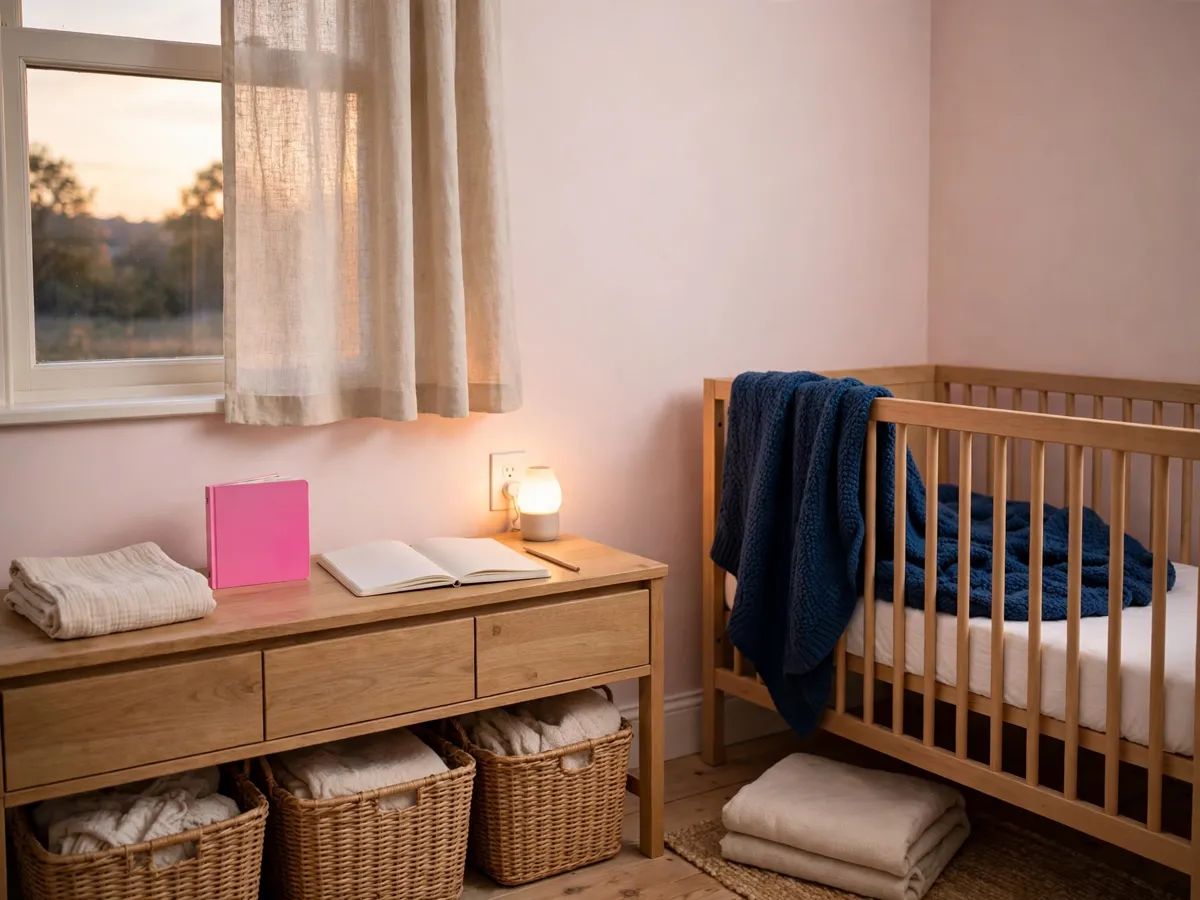
Wind-down cue: bedtime gets the longer version of the same cue — curtain, song, one short book, closing phrase. Naps keep the two-minute version. Two lengths, one order.
Watch for: your baby wanting you close by at the start of sleep, and pulling up to standing once they can. When the pulling up starts, read your crib's own instructions for the mattress height and follow what the maker states. If bedtime creeps later for a week, look at the second nap first.
Ages 7-9 months · 12 to 16 hours a day, naps included · an adult within arm's reach for every sleep.
10 to 12 months: the last nap starts to shift
Some families drop to one nap in this stage. Others hold two for months after that. Neither is a race, and neither means you have done something wrong. If the second nap is still there, keep it short and keep it early enough that bedtime stays where it was. The hours run to the end of the first year the same way: 4- to 12-month-olds need 12 to 16 hours of sleep a day, naps included.
Wind-down cue: this is the stage where the bedtime cue can grow into the full version — wash-up, book, song, lights. Keep the order fixed. Once solids are part of the day, the last bite finishes before the cue starts, and the healthy bedtime snacks guide covers what goes on the plate.
Watch for: a wake-up time that keeps creeping earlier, and a second nap that no longer ends cleanly. Note the times for a week before you move anything, then move one thing.
Ages 10-12 months · 12 to 16 hours a day, naps included · an adult within arm's reach for every sleep.
Write the day down for two weeks
Whichever stage you are in, the same two-week note works. One line a day: wake time, each nap start and end, bedtime, and how many times you were up. A notebook on the fridge or a notes app on your phone — whichever you will actually fill in at three in the morning.
Read it at the end of the fortnight, not every night. Look for the nap that keeps ending short, the wake time that keeps sliding, the bedtime that only holds on some days. Then change one thing and leave it for a week. Two changes at once tell you nothing.
Past the first birthday the same method carries straight into the bedtime routine chart for Ages 3-6 and the morning routine checklist that follows it.
What this page does not cover, and when to ask
This is about the shape of a day. It does not cover where your baby sleeps, what belongs in the bed, or how to position them. Those questions go to your pediatrician, and they are worth asking early rather than at three in the morning.
Take snoring, gasping, long struggles to fall asleep most nights, feeding that worries you, or anything that simply does not feel right to your pediatrician. For the years after this one, the calm-down corner guide sets up a spot for big feelings once your child is on their feet and talking.
This is a routine guide, not medical advice. Every baby runs a little differently, and nothing on this page is a deadline for yours.
Save the stage you are in
Pin the section that matches your baby's age, then come back when the shape changes — the Parenting Tips & Routines collection holds the rest of the day, from the first feed through the toddler years.
Pediatric guidance on how many hours children need: HealthyChildren.org sleep guidance.