 KidNestClub
Crafts & Learning
Preschool Activities at Home: 30 Setups for Ages 4-5
Thirty preschool setups that run on the kitchen table with paper, tape, a tray and what is already in the drawer. Each item lists the prep time, the supplies and the adult in the room, so an empty hour gets a setup instead of a search. Every setup is written for ages 4-5.
By KidNestClub · Updated 13 November 2026
Total scope: 30 setups · Ages 4-5 · 5-25 minutes each · kitchen table and what is already in the drawer.
Read the list in order or jump to the number that matches the drawer you have. The indoor activities collection holds the quieter rounds for the same table, the box crafts guide takes one delivery box through a whole afternoon, and the scissor skills by age page carries the cutting rules that sit beside items 6 and 21.
Before you start: the table is the activity
One tray per child, one setup open at a time, and one rule said out loud before the first piece lands: the pieces stay on the tray. A 4-year-old can carry the tray to the table and back, and the carry is part of the setup.
The adult stays within reach of the table for every item that names water, scissors, dough or a small part. Nothing here needs a shop run: if a supply is missing, the item keeps until the drawer has it.
1. Salt tray letters
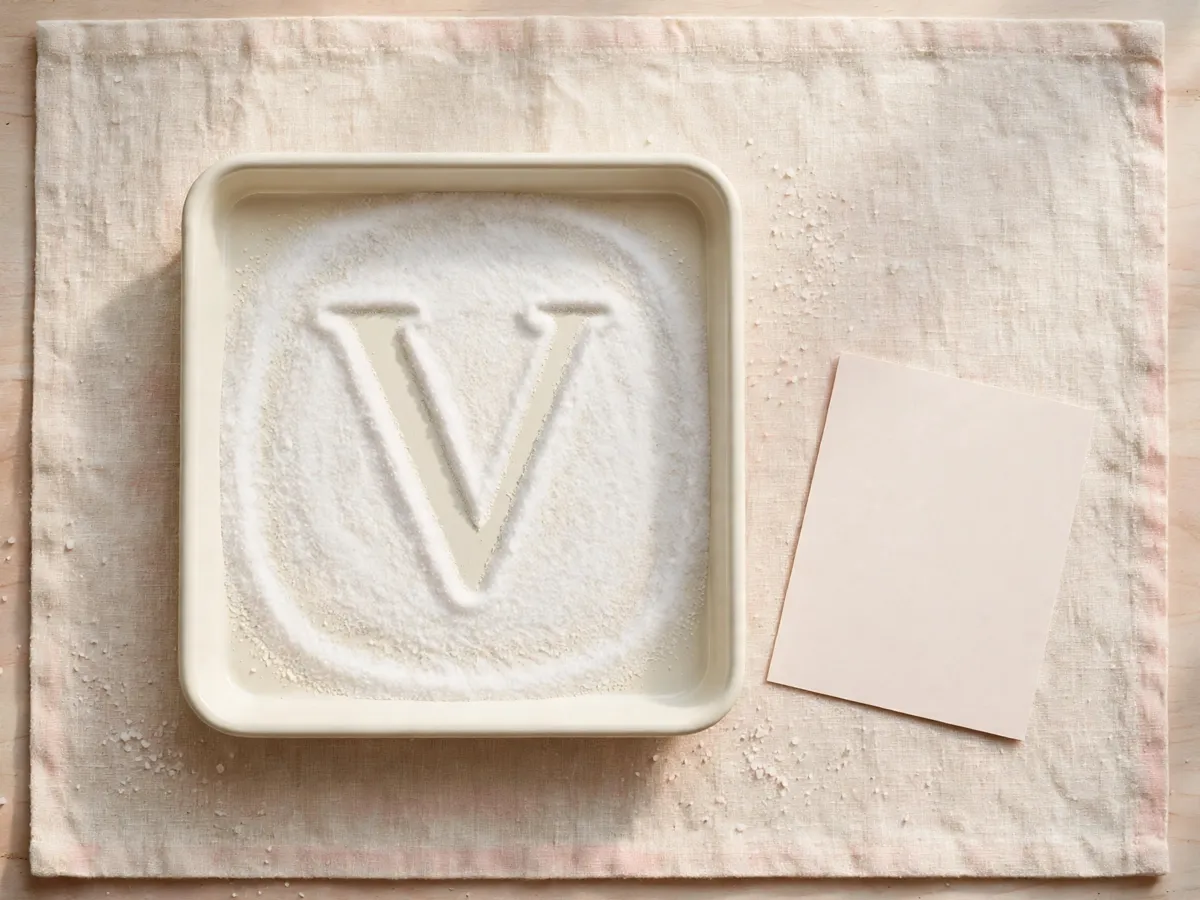
Pour a thin layer of table salt into a shallow tray and smooth it flat with the back of a spoon. The child writes one letter with a finger, tilts the tray to erase it and writes the next. A card with the letters of their name sits beside the tray as a copy, and the salt is smoothed flat again for each letter until the name is complete.
Age 4-5 · 6 minutes · 2 supplies · Salt stays in the tray and away from mouths; an adult at the table.
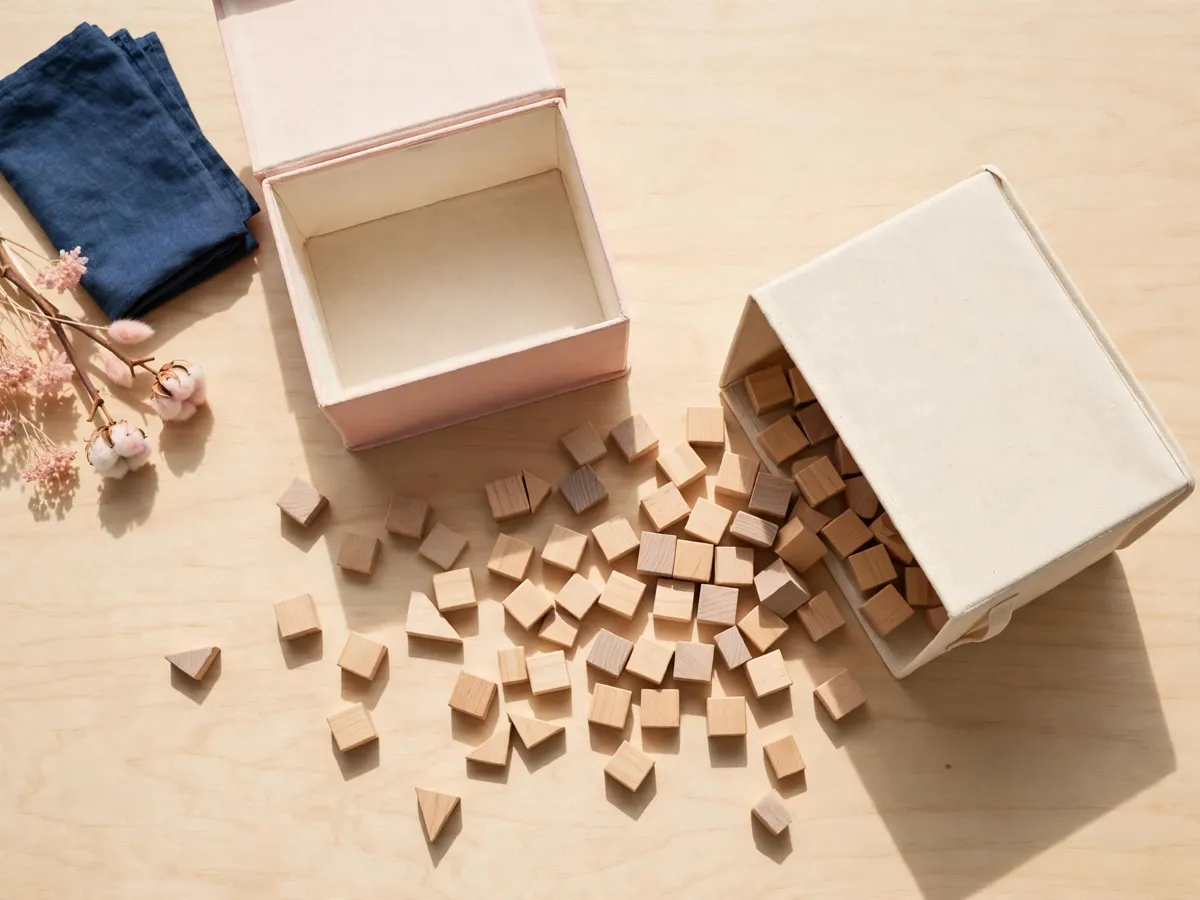
2. Alphabet puzzle match
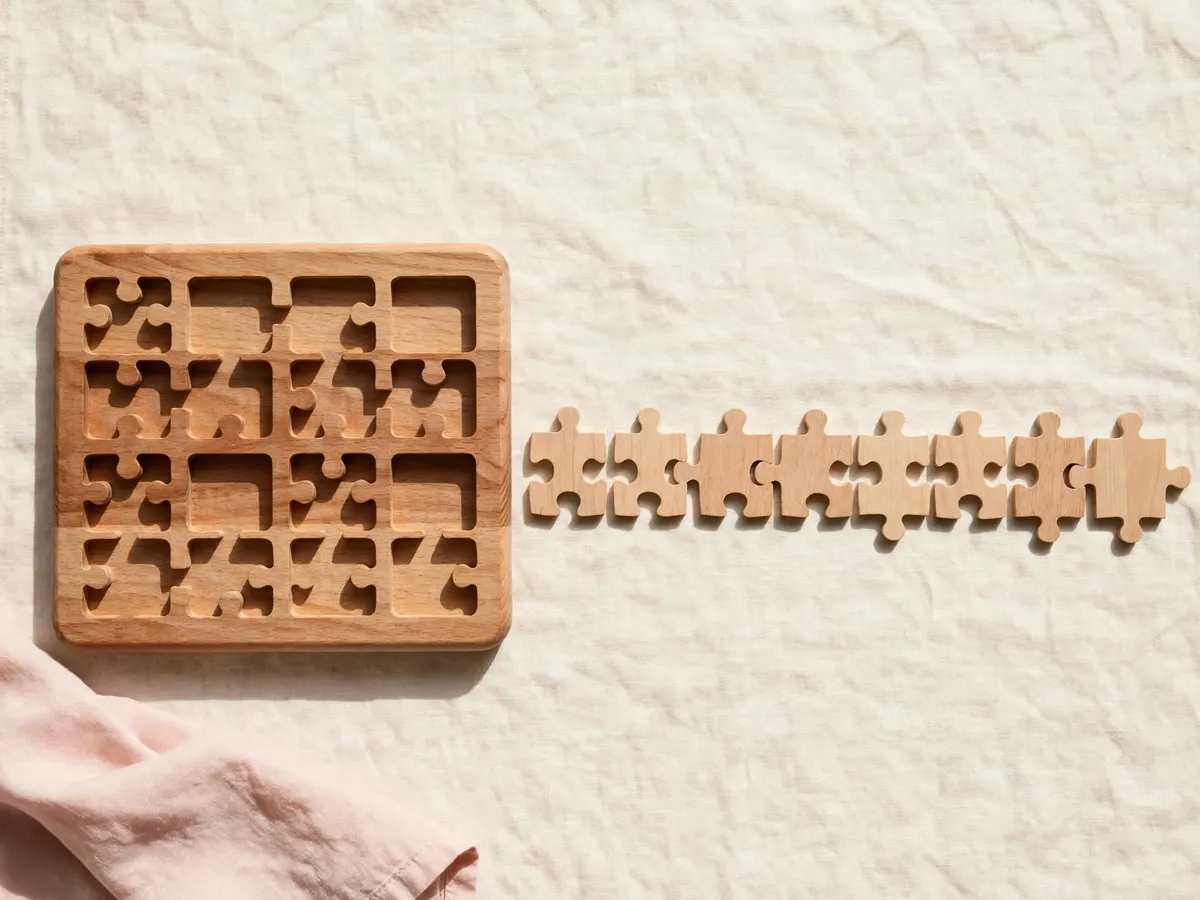
Tip the puzzle pieces onto a tray and set the empty board beside it. The child picks one piece, says the letter out loud and drops the piece into its slot, then takes the next. When the board is full, tip it out and run the same round again with the pieces face down. A two-minute timer turns the second round into a race.
Age 4-5 · 10 minutes · 1 supply · Pieces stay on the tray; an adult at the table.
3. Counting cups and beans
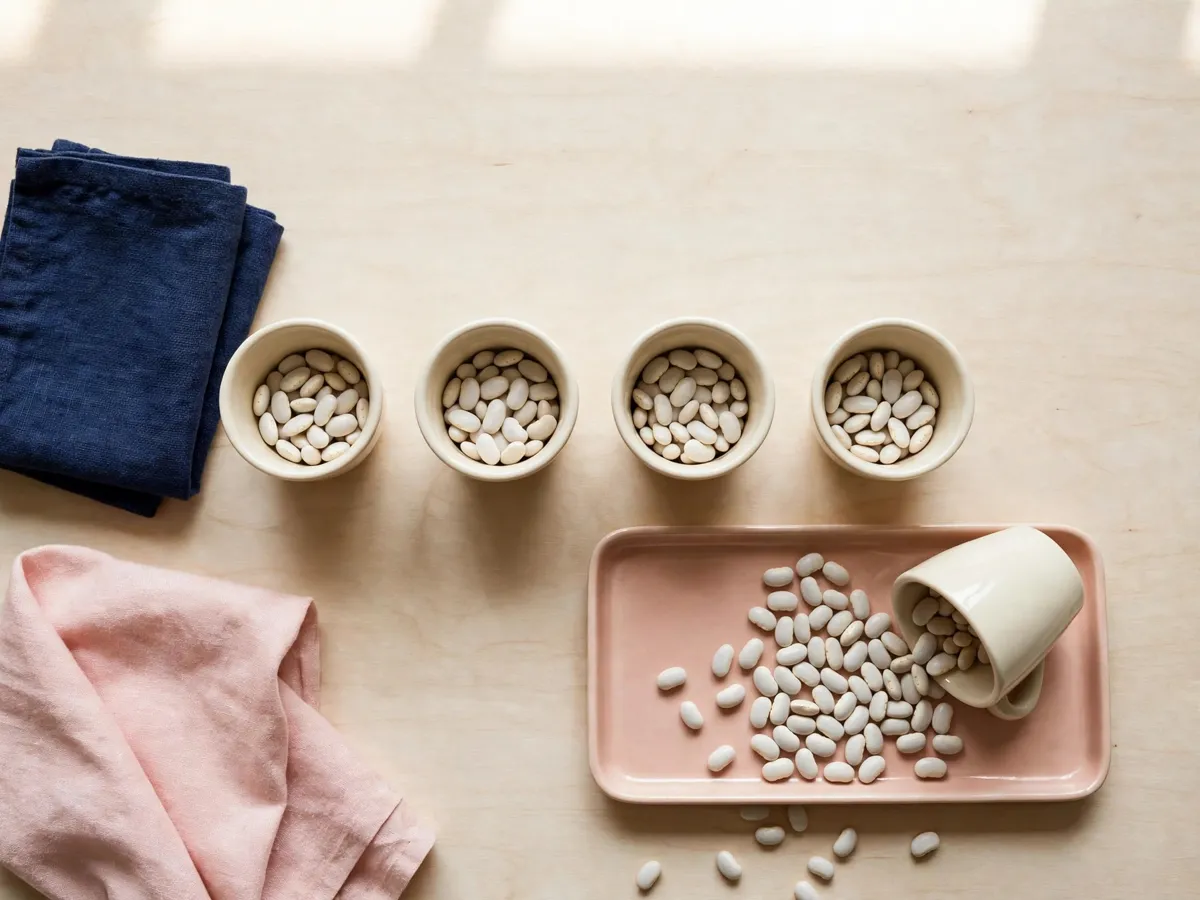
Line five paper cups along a tray and write 1 to 5 on the front of each one. The child spoons one dried bean into the first cup, two into the second, and on to five. Tip the beans back into the bowl, shuffle the cups and the row runs again. Write the numbers on the back of the cups and the same row reads in reverse.
Age 4-5 · 8 minutes · 3 supplies · Dried beans stay out of mouths; an adult at the table.
4. Lid size row
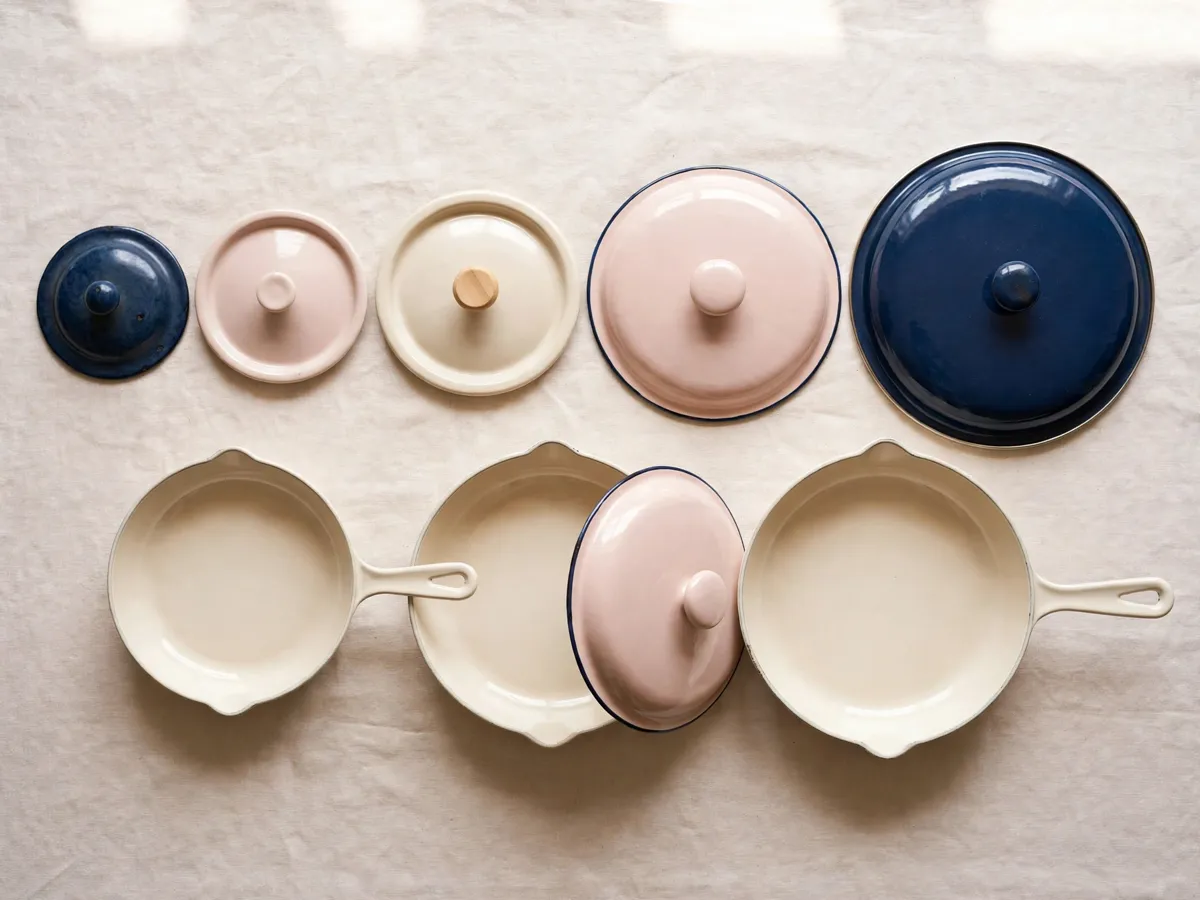
Collect eight lids from the cupboard and set them in a loose pile on the table. The child lays them in a row from the smallest to the largest, then stacks the row into a tower and checks the order from the top. The finished row runs the length of the tray, and the live commentary is the whole point: biggest, smaller, smallest.
Age 4-5 · 7 minutes · 1 supply · Lids only, nothing glass; an adult at the cupboard.
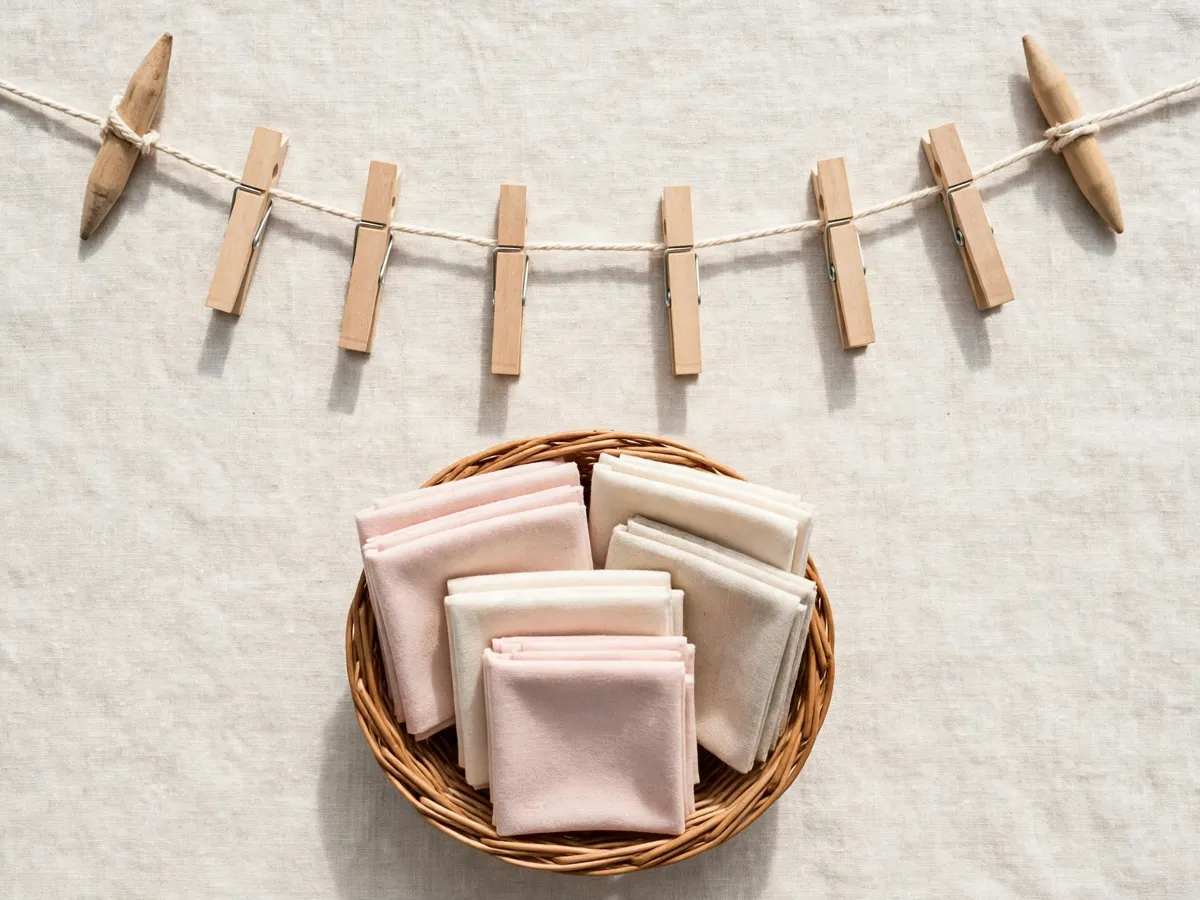
5. Clothespin clipping line
Tie a length of string between two chair backs at child height, with an adult doing the tying. The child clips wooden pegs along the line, then unclips them one at a time into a bowl. A row of paper squares pegged along the string turns the line into washing, and the bowl of pegs goes back in the drawer when the line is clear.
Age 4-5 · 9 minutes · 3 supplies · An adult ties the string; pegs stay off fingers and out of mouths.
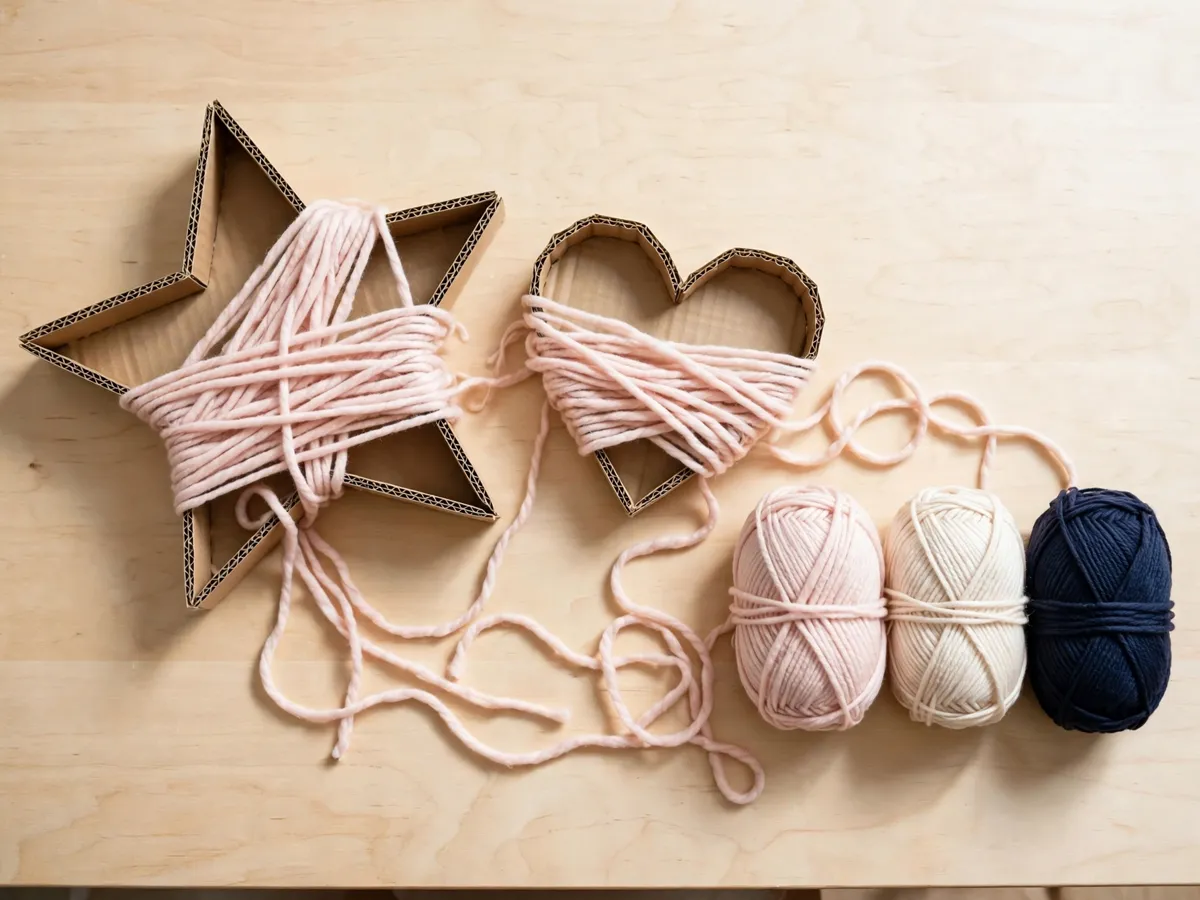
6. Yarn wrapped cardboard shapes
Cut a chunky star, heart and circle from a cereal box, and an adult does the cutting. Tape one end of a yarn length to the back of a shape and the child wraps the yarn around it, turning the card as they go. Tuck the last end under a strand at the back. Three shapes take one ball of yarn and fill a tray.
Age 4-5 · 15 minutes · 3 supplies · Blunt-tip scissors with an adult; keep each yarn length short enough to wrap.
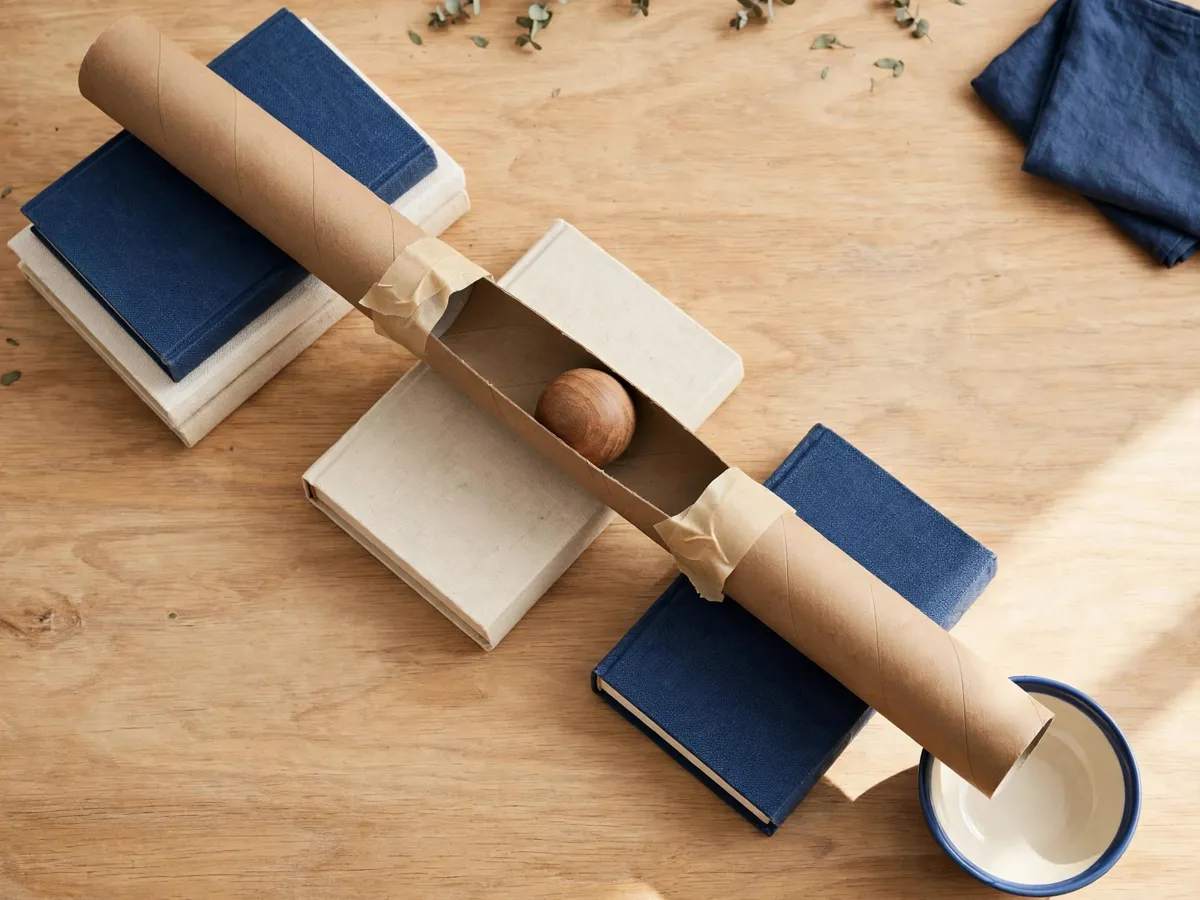
7. Cardboard tube marble run
Cut three toilet rolls in half lengthways and tape them to a door frame, one below the other, each at a slight tilt. The child drops a marble in at the top and watches it come out at the bottom. Move one tube and the route down changes. A paper cup taped at the bottom catches the marble before it reaches the floor.
Age 4-5 · 20 minutes · 3 supplies · Marbles stay in a lidded tub and out of reach of younger children; an adult tapes the tubes.
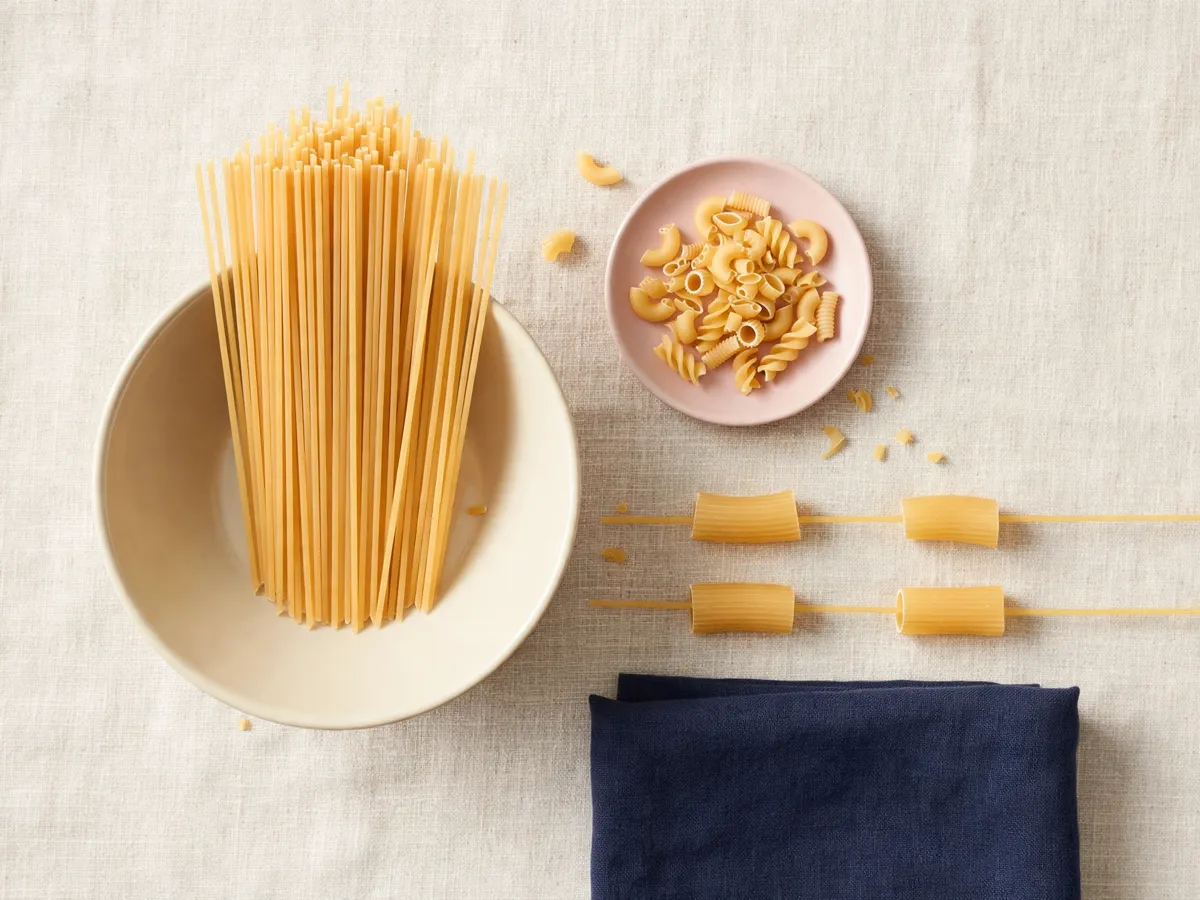
8. Pasta threading on spaghetti
Stand a lump of playdough on a tray and push three dry spaghetti strands upright into it. The child threads penne onto each strand until it is full, then slides the pasta off and starts the strand again. Count the penne on each strand out loud as the tower grows, and the finished tower stands in the playdough.
Age 4-5 · 12 minutes · 3 supplies · An adult snaps the spaghetti; dry pasta stays out of mouths.
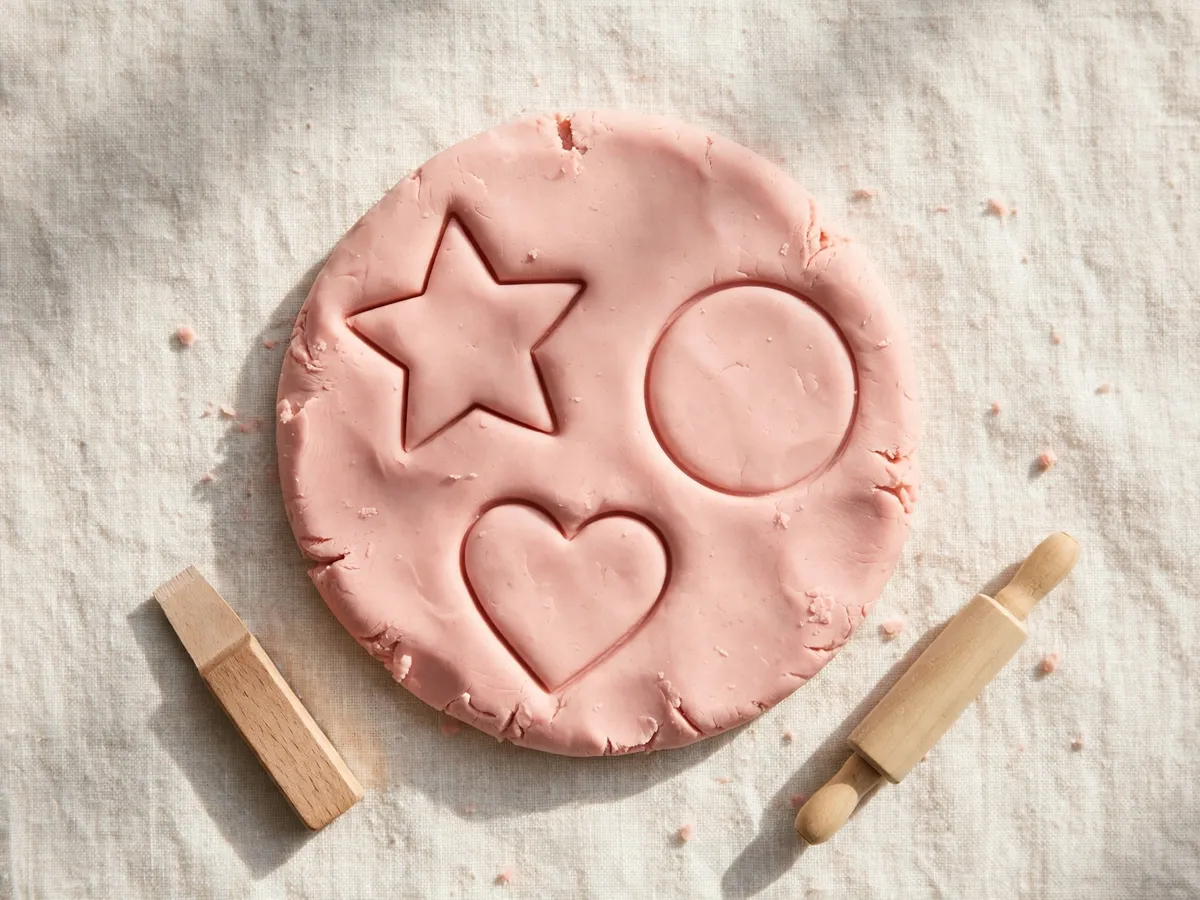
9. Playdough cutting shapes
Roll the playdough flat with the side of a cup. The child cuts squares, triangles and long strips with a plastic knife, then presses the shapes back together and rolls the dough flat again. A shape cutter makes one clean shape with a single push, and the strips go back into a ball for the next round.
Age 4-5 · 12 minutes · 2 supplies · Plastic knife only; an adult at the table and dough away from mouths.
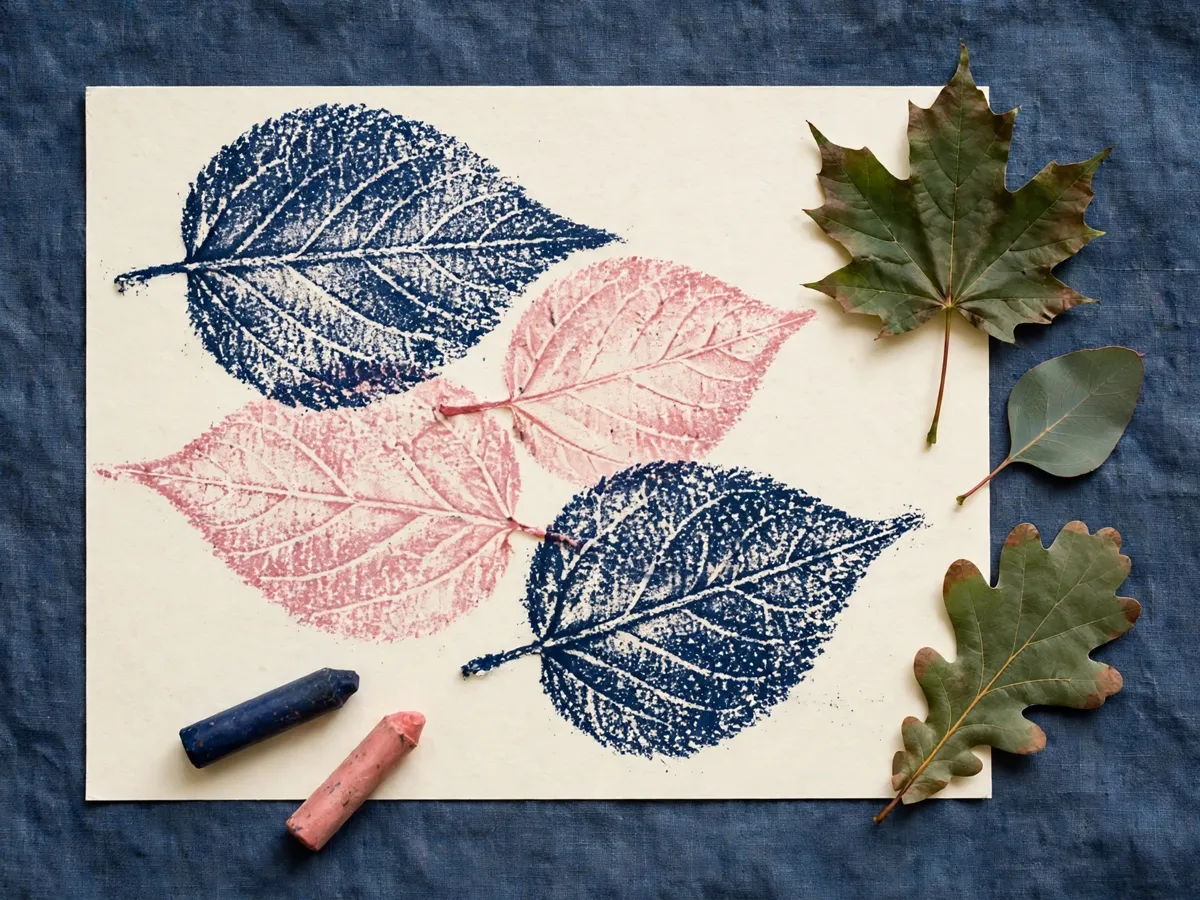
10. Leaf rubbings on paper
Lay a leaf face down under a sheet of thin paper and hold the paper still with one hand. The child rubs a peeled crayon across the sheet side-on until the veins appear, then swaps the leaf and picks a new colour. Press hard for a dark rubbing and lightly for a pale one, and five rubbings fill the page edge to edge.
Age 4-5 · 10 minutes · 3 supplies · An adult holds the first sheet still; rinse hands after the leaf walk.
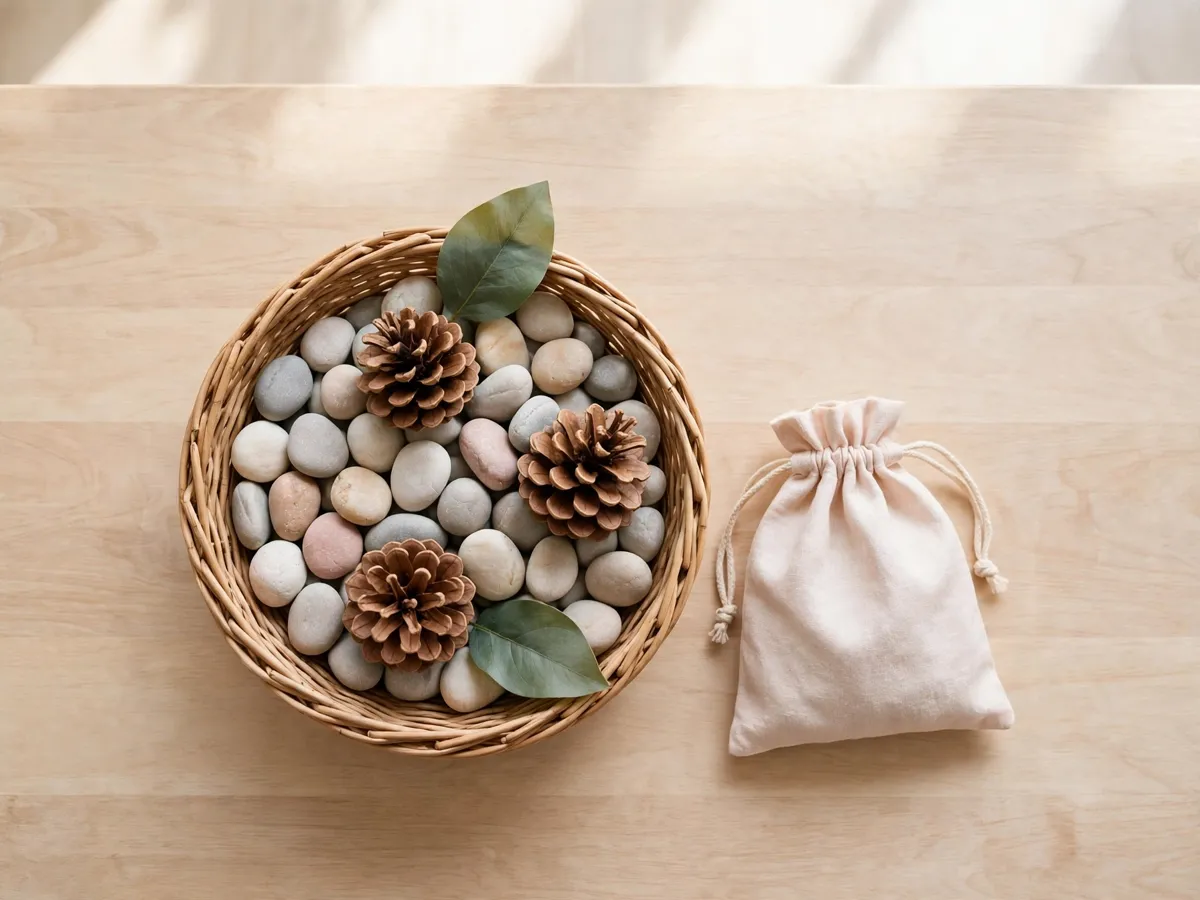
11. Nature collection walk
Give the child a paper bag and walk the same street or garden for ten minutes. Leaves, twigs, a feather and a flat stone go in the bag, and each find gets named before it goes in. Tip the bag out at the table and lay the finds in a row. Two bags make a collection big enough for a row across the table.
Age 4-5 · 15 minutes · 2 supplies · An adult on the walk; wash hands when you are back inside.
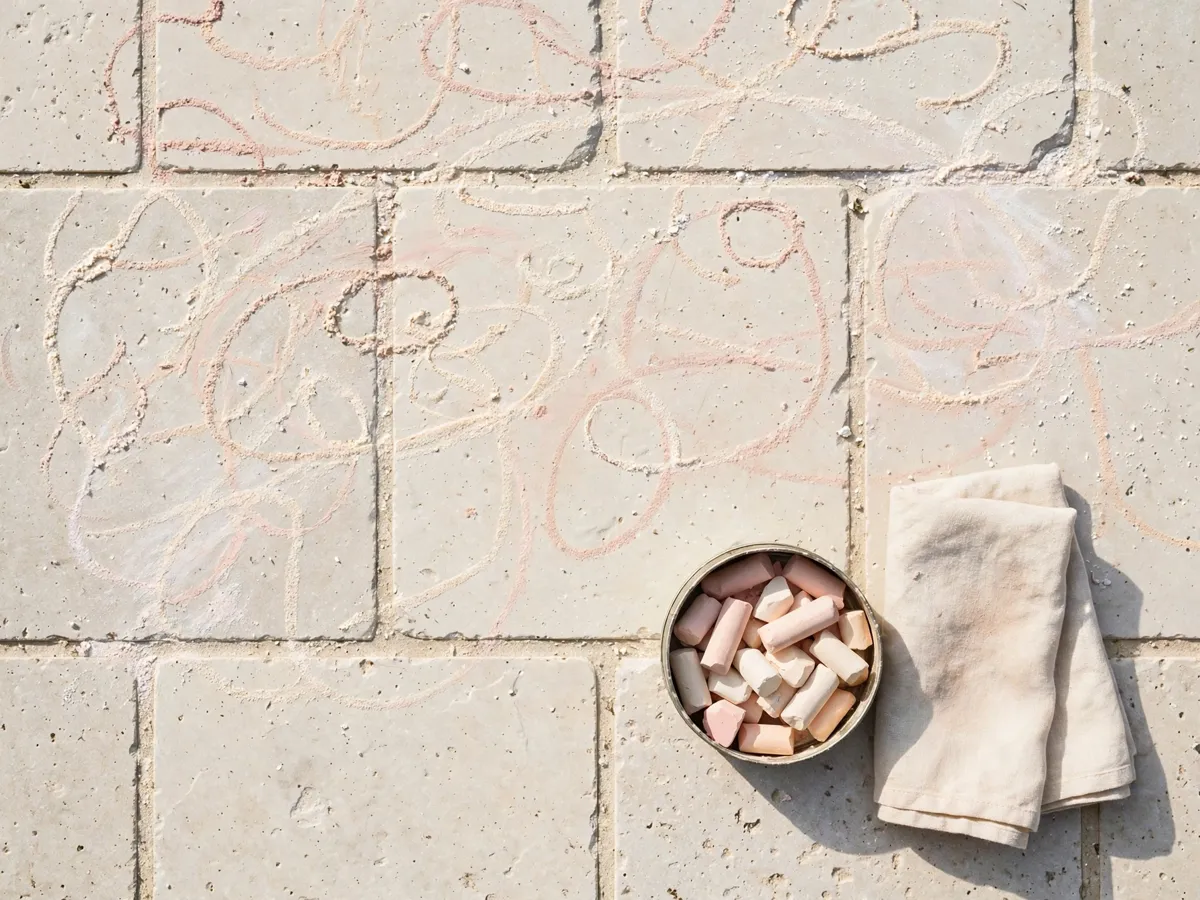
12. Chalk letters on the patio
Draw one letter the size of a dinner plate on the patio and the child copies it beside yours in a second colour. Then a word, then their name, one letter at a time. Wet chalk draws dark and dry chalk draws pale, so a bucket of water changes the whole row. Rain clears the slab for the next round.
Age 4-5 · 12 minutes · 2 supplies · An adult outside with the chalk; wash hands at the door.
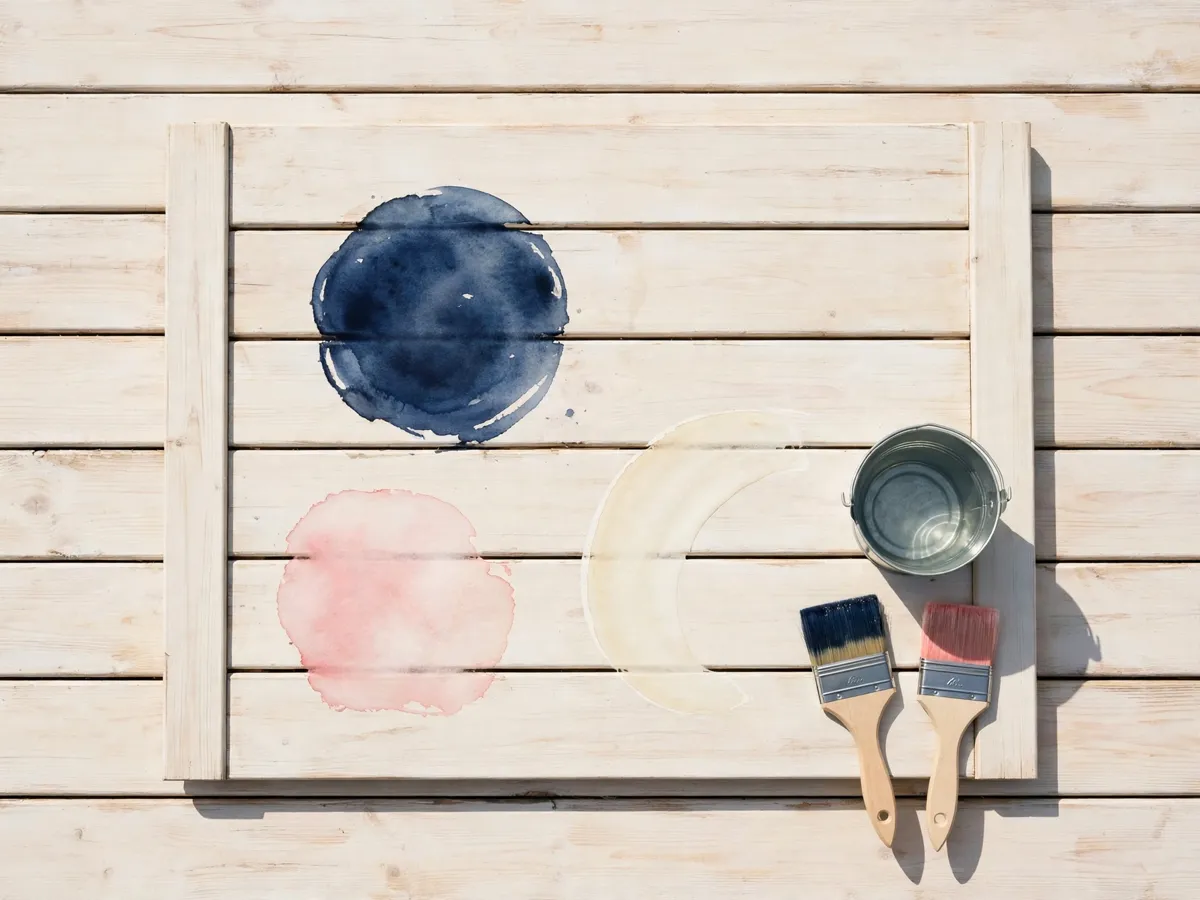
13. Water painting on the fence
Fill a small bucket with water and hand over a wide brush. The child paints the fence, the wall or the patio in long strokes, and the marks fade as they dry. When the bucket is empty and the fence is dry, the round is over. A second brush and a second bucket give two painters a side each.
Age 4-5 · 15 minutes · 2 supplies · An adult outside with the bucket; the water stays in the bucket.
14. Sponge squeeze and transfer
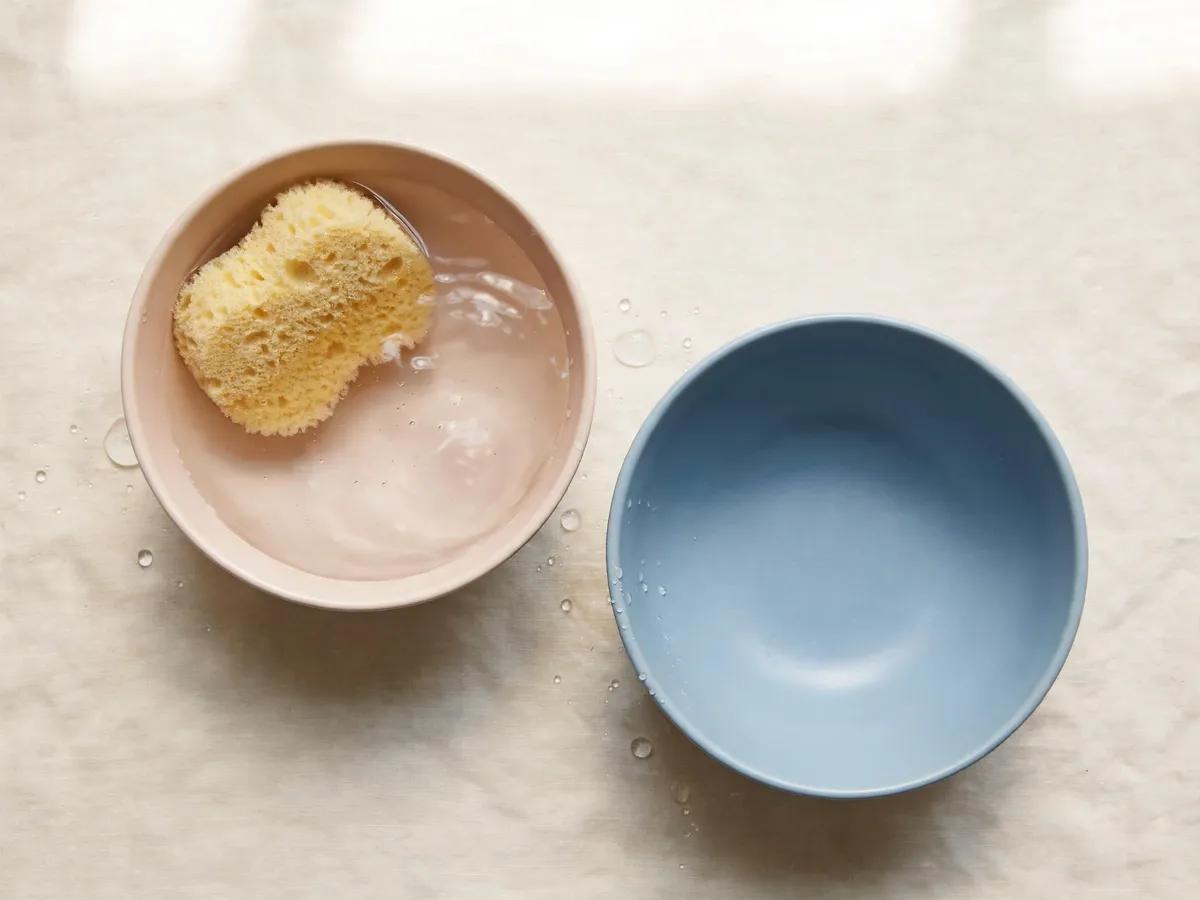
Set two bowls on a tray, one holding water and one empty, with a towel underneath. The child drops a cut sponge in the full bowl, lifts it, squeezes it over the empty bowl and repeats until the water has moved across. Squeeze over the bowl rather than the floor and the towel stays dry for the next round.
Age 4-5 · 10 minutes · 3 supplies · An adult at the table with the bowls; the towel catches the spills.
15. Ice cube rescue
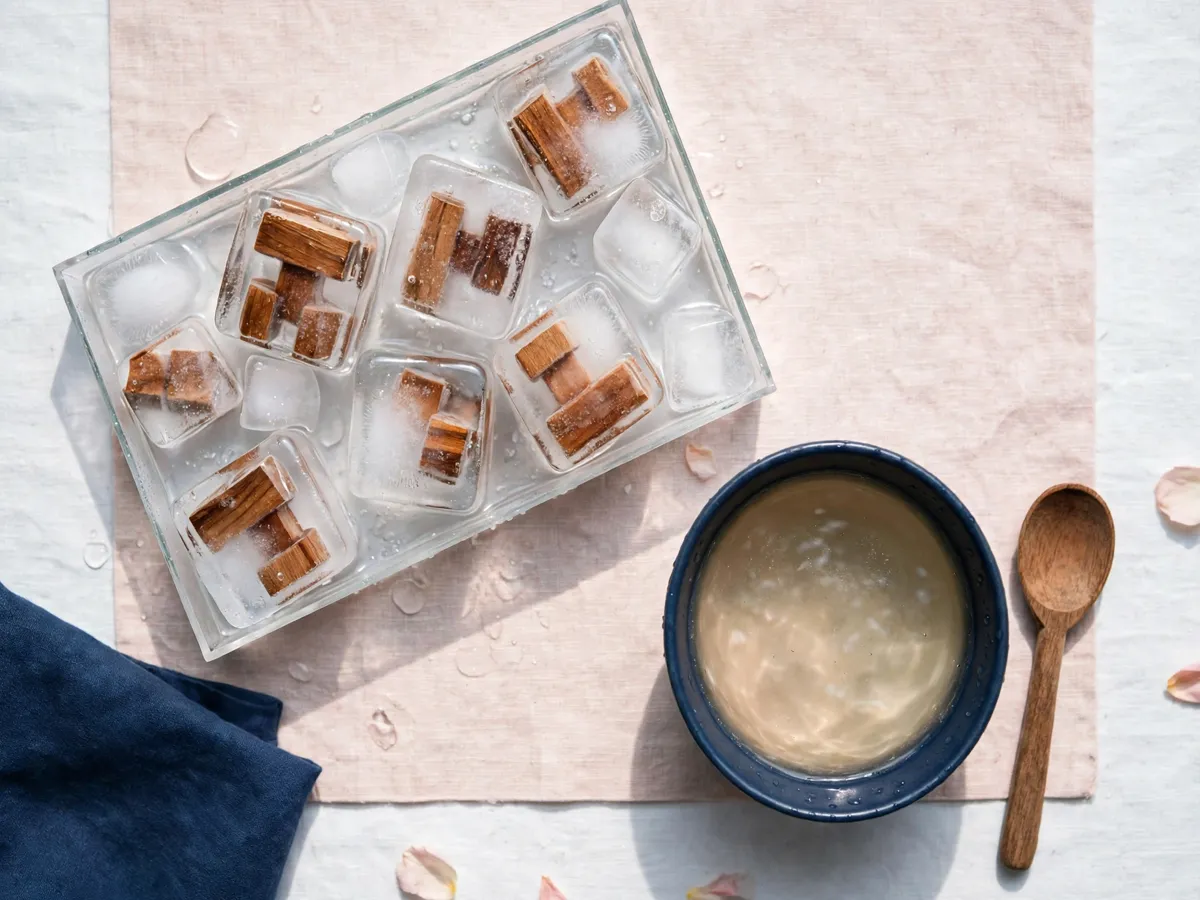
Freeze a few toy figures in a shallow container of water the night before. The child tips the ice block onto a tray and frees the figures with a spoon, a jug of warm water and both hands. A pinch of salt on the block speeds up the melt. The tray catches the water and the figures line up beside it.
Age 4-5 · 15 minutes · 3 supplies · An adult at the table; the warm water comes from the tap, never the kettle.
16. Water pouring with a jug
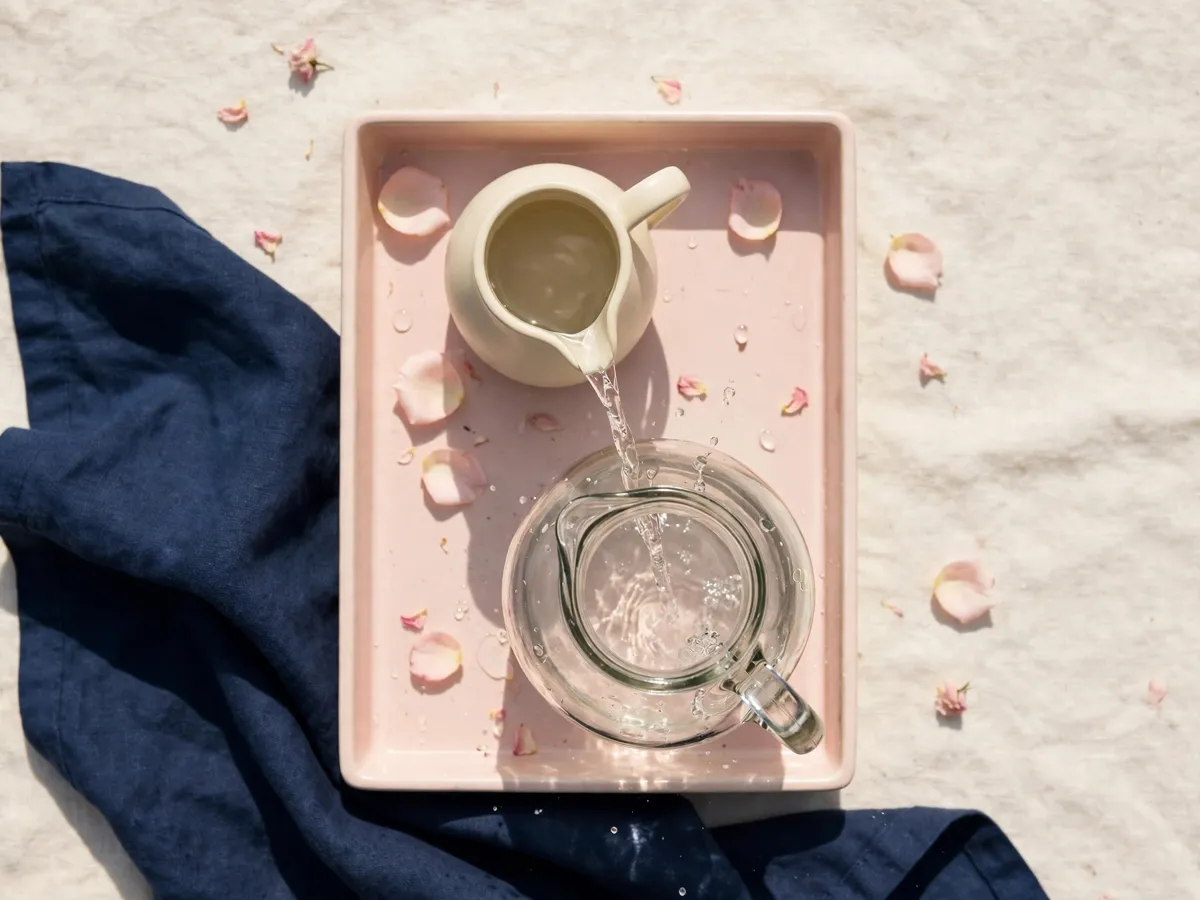
Fill a small jug halfway and set three cups beside it on a tray. The child pours from the jug into each cup, stops at the line drawn on the cup, and tips the water back into the jug. A funnel changes the pour. Wipe the tray with the towel and the round starts again with the cups in a new order.
Age 4-5 · 10 minutes · 3 supplies · A towel under the tray; an adult at the table for the whole round.
17. Spoon and bowl transferring
Put a bowl of dried chickpeas on the left and an empty bowl on the right. The child spoons the chickpeas across, one spoon at a time, and counts each spoon out loud. The bowl on the right fills while the bowl on the left empties. Swap the spoon for a ladle and the same two bowls make a slower second round.
Age 4-5 · 8 minutes · 3 supplies · Dried chickpeas stay out of mouths; an adult at the table.

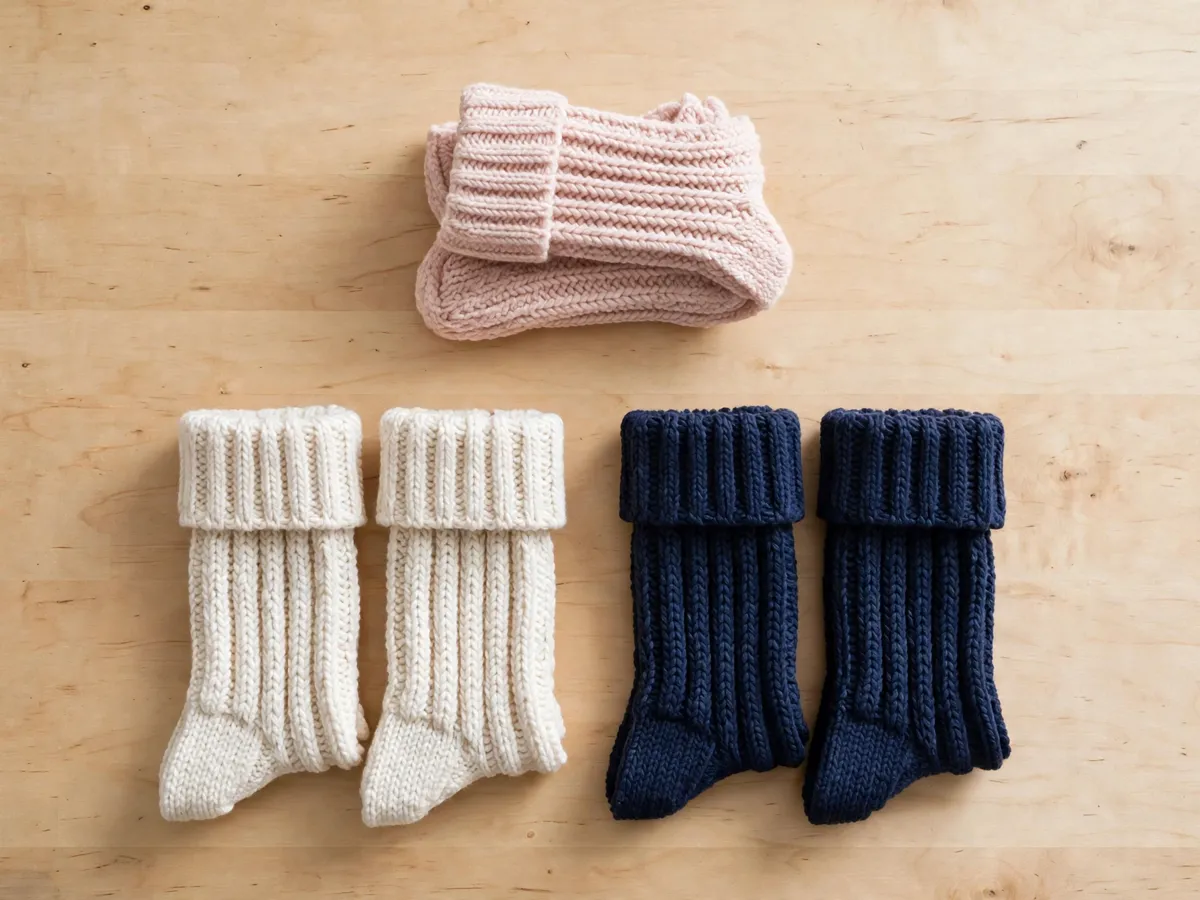
18. Sock pairs match-up
Tip a basket of socks onto the bed and let the child pair them by colour and pattern. Each pair gets folded and laid in a row, and the odd ones go in a separate pile at the end. The row of pairs runs from the pillow to the foot of the bed. A drawer of socks makes the same round at the kitchen table.
Age 4-5 · 12 minutes · 1 supply · An adult nearby for the folding and the odd-sock pile.
19. Box fill and dump
Set a shallow box on the floor with a pile of soft things beside it: cushions, scarves, tea towels. The child fills the box to the top, sits in it, then dumps the lot and starts again. Name each thing as it goes in and count them back out. A bigger box changes the round without changing the game.
Age 4-5 · 10 minutes · 1 supply · Soft items only; an adult in the room and the floor clear.
20. Bottle shakers
Spoon dry rice, lentils and a few dried beans into three clear bottles, one fill per bottle. Screw the lids on and tape them shut, then the child shakes each bottle in turn and listens for the difference between them. Fill one a third full, one half full and one nearly full for three sounds, and the row is complete.
Age 4-5 · 10 minutes · 3 supplies · An adult tapes the lids; the fill stays inside the bottle.

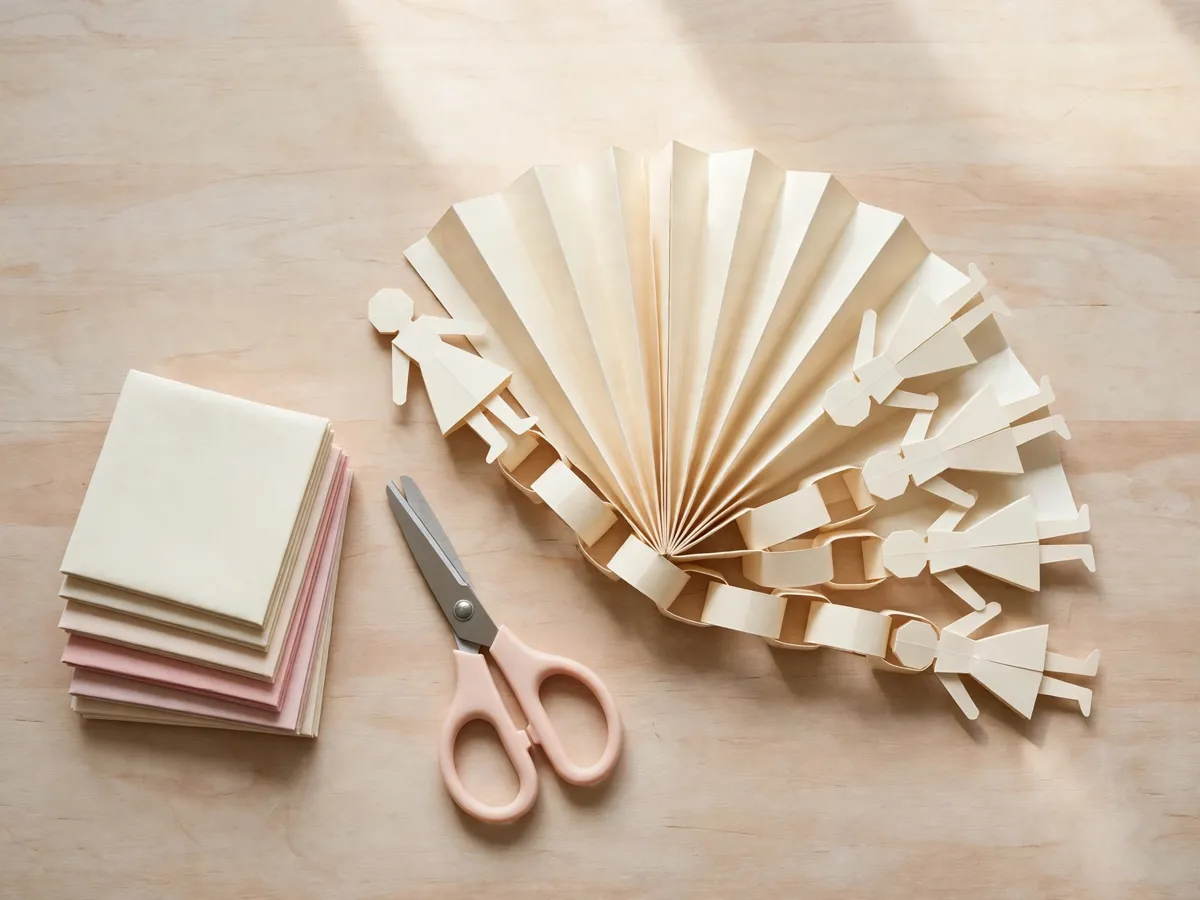
21. Paper doll chains
Fold a strip of paper into four panels and draw half a figure on the folded edge, arms and feet reaching the folds. The child cuts along the line with blunt-tip scissors and opens the strip into a row of figures holding hands. Crayons colour each figure. A strip of four panels makes four figures, and a longer strip makes six.
Age 4-5 · 20 minutes · 3 supplies · Blunt-tip scissors with an adult for the first cut; the folds stay uncut.
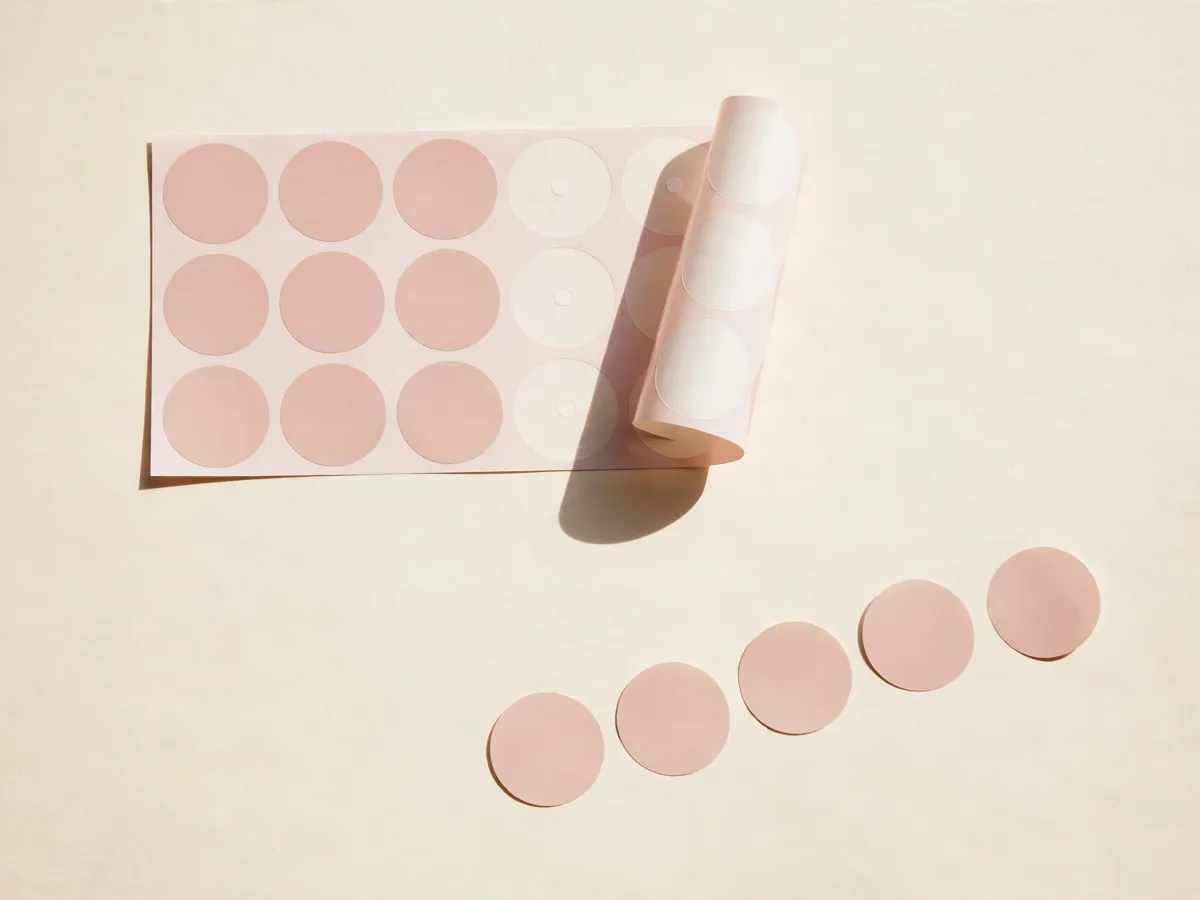
22. Sticker peel and place
Draw six circles on a sheet of paper and hand over a strip of stickers. The child peels each sticker and places one inside a circle, then adds a second row above the first. Peel the backing sheet away in one go so the stickers lift cleanly. When the sheet is full, turn it over and start on the back.
Age 4-5 · 10 minutes · 2 supplies · An adult at the table; stickers stay on the paper, not the furniture.
23. Tape rescue
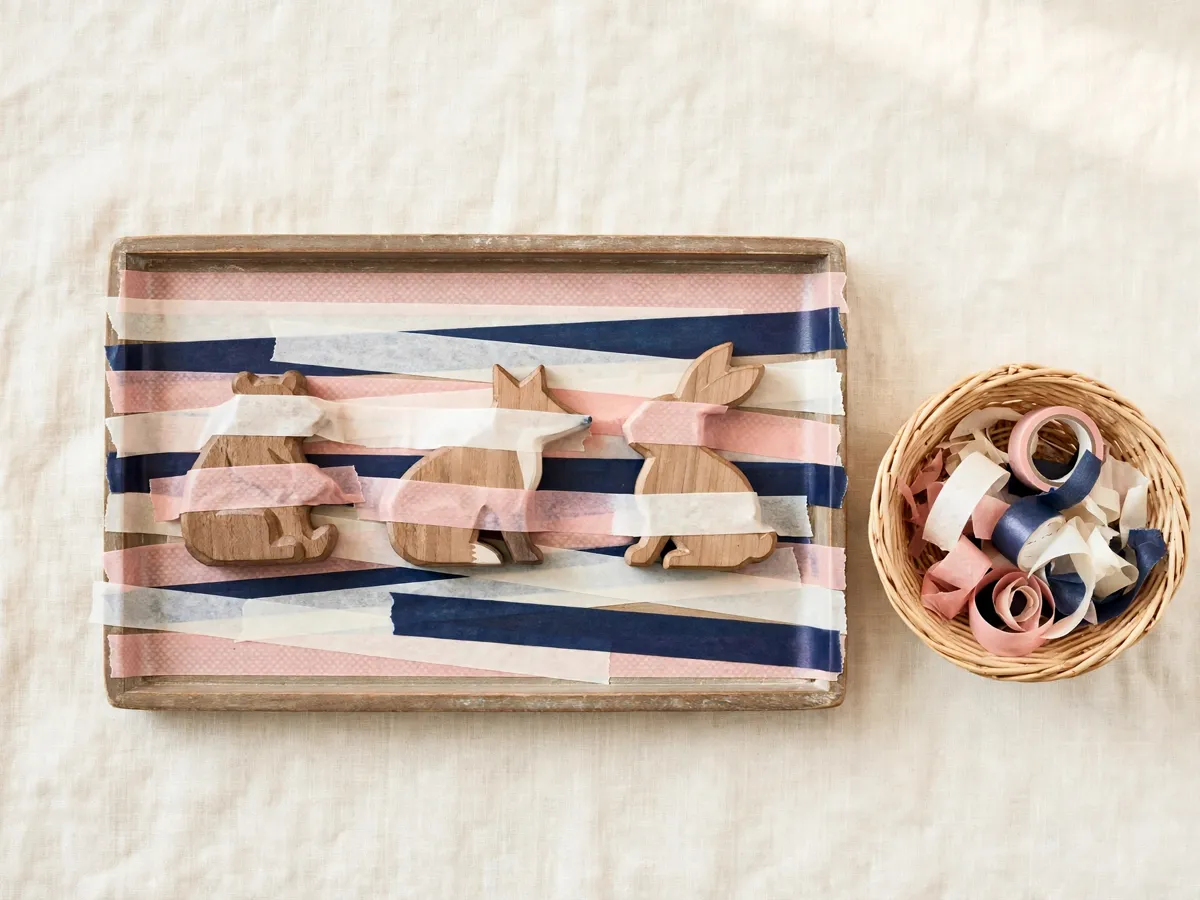
Tape a row of toy figures to a tray with painter’s tape, one strip across each figure. The child peels the tape away, frees each figure and lines them up beside the tray. Peel slowly from the corner and the tape comes away in one strip. Re-tape the row and the same round runs again.
Age 4-5 · 8 minutes · 3 supplies · Painter’s tape only; an adult at the table.
24. Cotton ball straw race
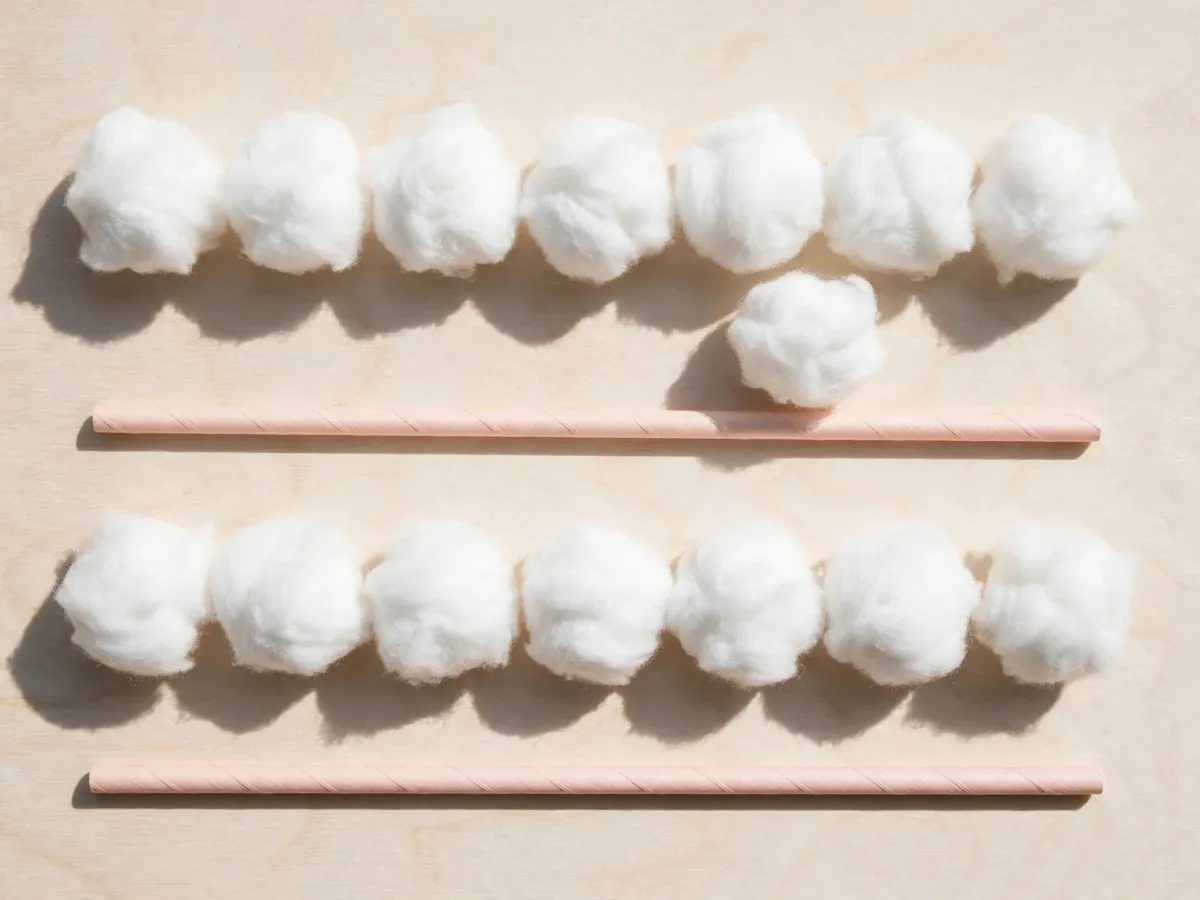
Mark a start line and a finish line on the table with tape and set a cotton ball on the start. The child blows through a paper straw to push the ball to the finish, then blows it back again. A short steady breath moves the ball further than a hard one. Two balls and two straws make a race across the table.
Age 4-5 · 10 minutes · 3 supplies · An adult at the table; each child keeps their own straw.
25. Blanket fort crawl
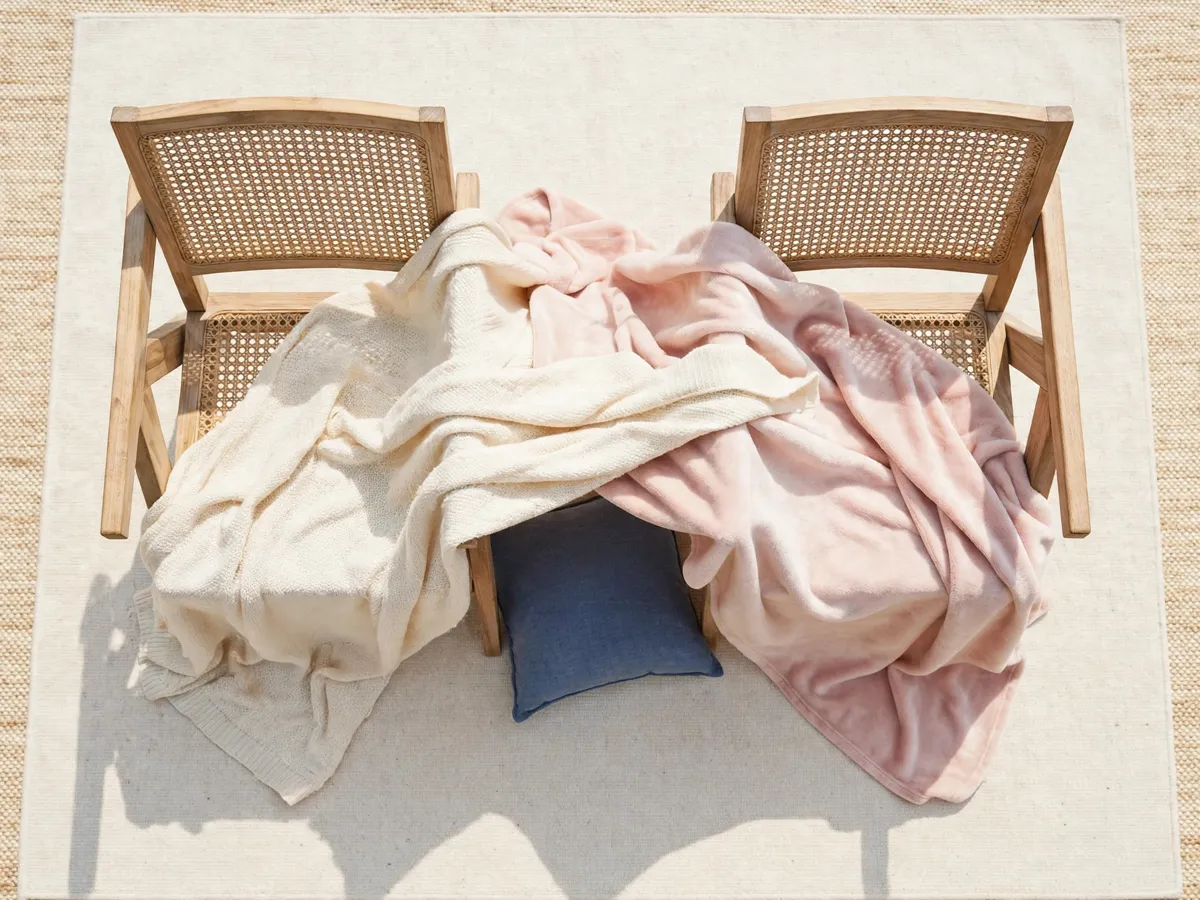
Drape a blanket over two chairs and tuck the ends under the seat cushions. The child crawls in with a cushion and a torch, and the blanket becomes a roof and a door. Peg the blanket corners to the chair backs so the roof stays up. A second blanket over a third chair adds a longer tunnel.
Age 4-5 · 15 minutes · 3 supplies · An adult checks both chairs are steady before the blanket goes on.
26. Cushion mountain climb
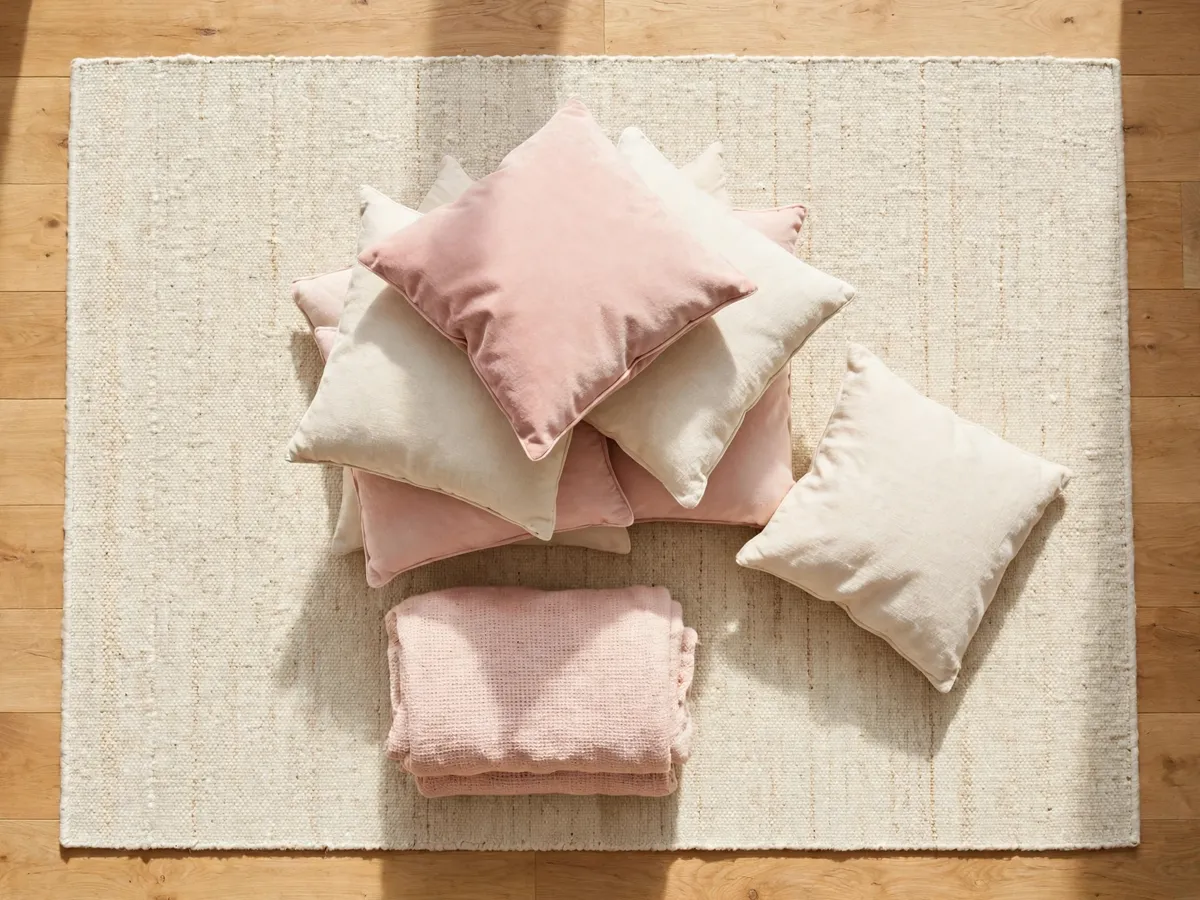
Pile the sofa cushions on the floor into a low mound and set a folded duvet at the far side. The child climbs over the mound, slides down the duvet and runs back to the start. Two cushions make a step and four make the mound. Rebuild the pile a little taller for the next round.
Age 4-5 · 12 minutes · 2 supplies · An adult at the edge of the pile; clear the floor of toys first.
27. Tidy-up race
Tip a box of blocks onto the floor and put the empty box in the corner. The child races a two-minute timer to get every block back into the box, then tips it out and runs it again. Count each block back into the box as it goes in. The last block goes in with the timer stopped.
Age 4-5 · 6 minutes · 2 supplies · An adult in the room; blocks stay on the floor, not in the mouth.
28. Pot and lid drumming
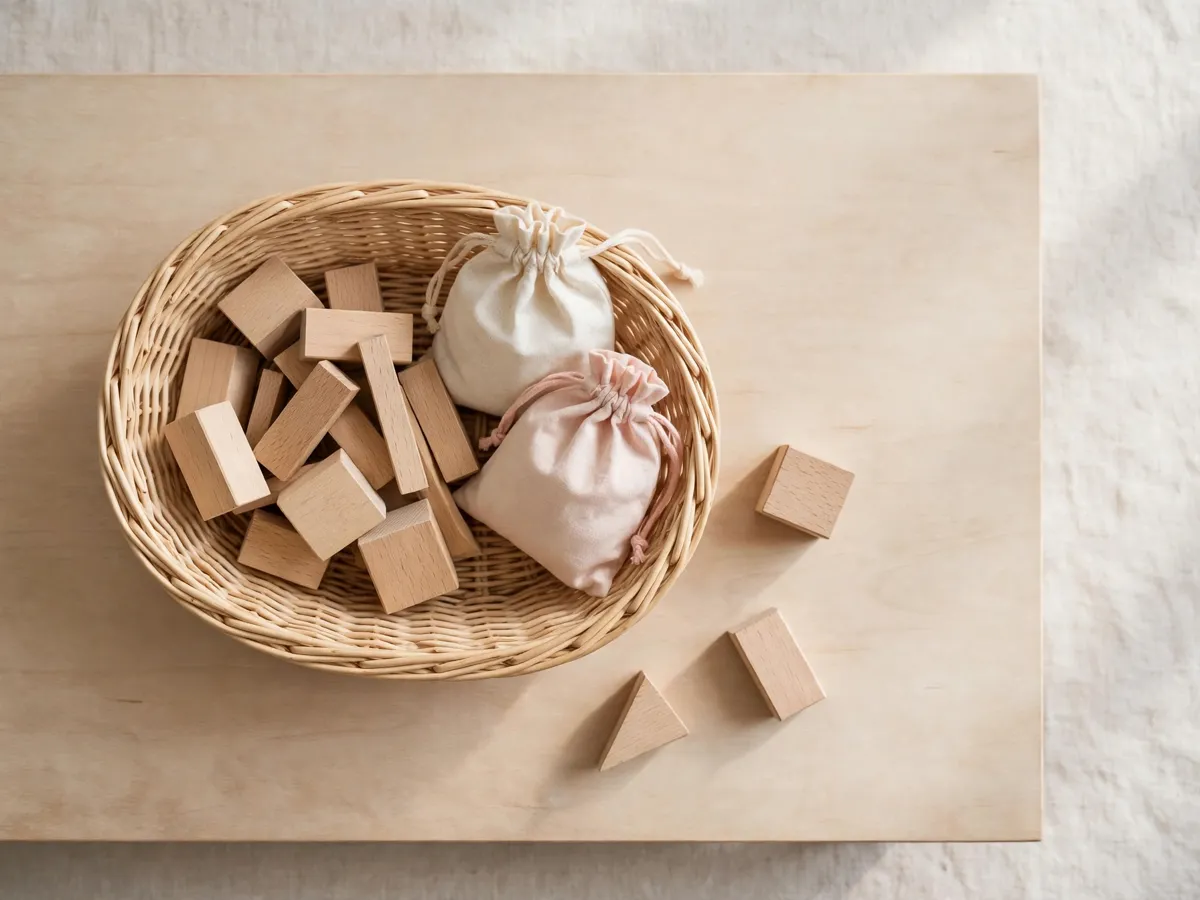
Set three pots upside down on the floor and their lids beside them. The child taps each lid with a wooden spoon, then fits a lid to a pot and taps again for a different sound. Tap the rim, the middle and the side of each lid for three sounds from one lid. Three pots make three notes.
Age 4-5 · 10 minutes · 2 supplies · Lids and cold pots only; an adult in the room for the noise and the floor.
29. Laundry basket push walk
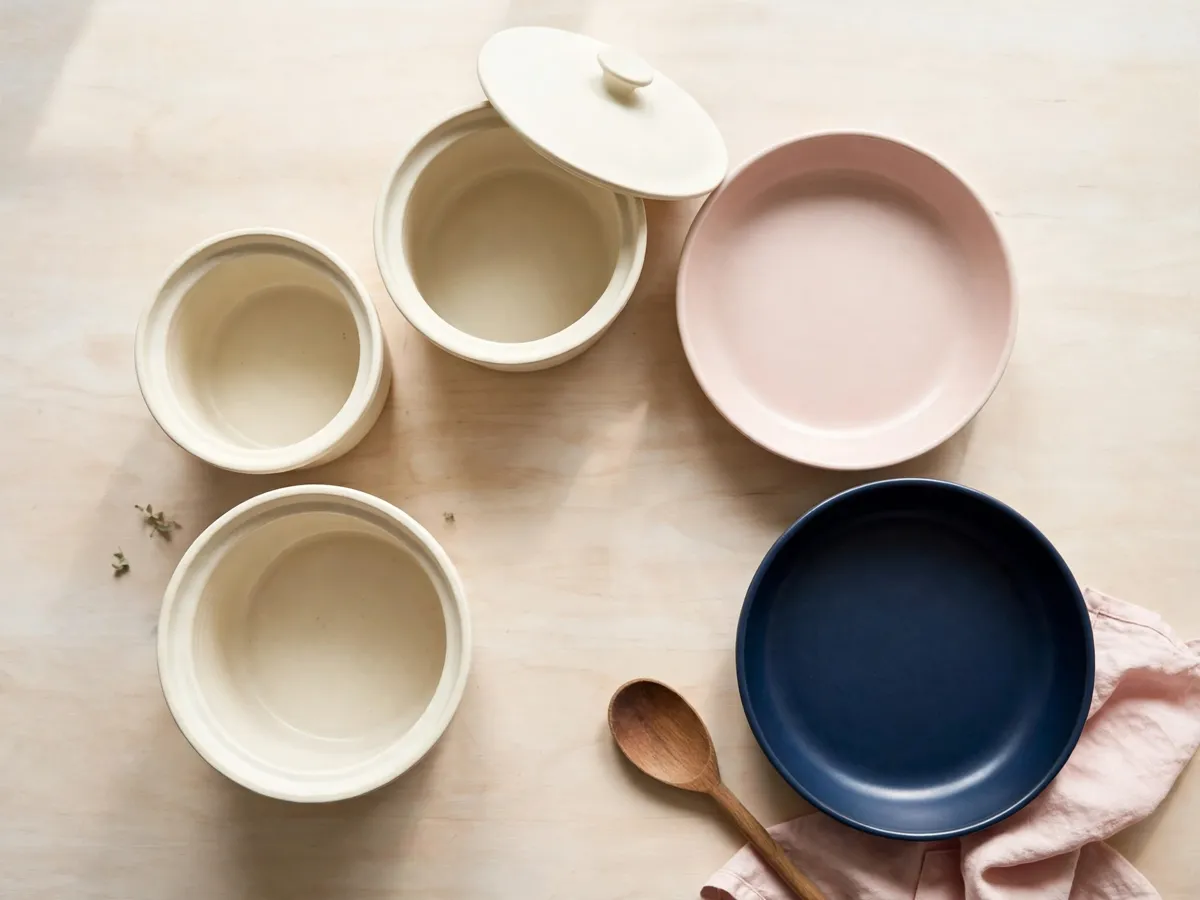
Put a folded towel in the bottom of a laundry basket and set it at one end of the hall. The child pushes the basket to the far end, turns it and pushes back, with a toy inside for weight. A book in the basket adds weight for a longer push. Two baskets make a two-lane push.
Age 4-5 · 10 minutes · 2 supplies · An adult in the hall; the floor stays clear for the whole run.
30. Rice tray drawing
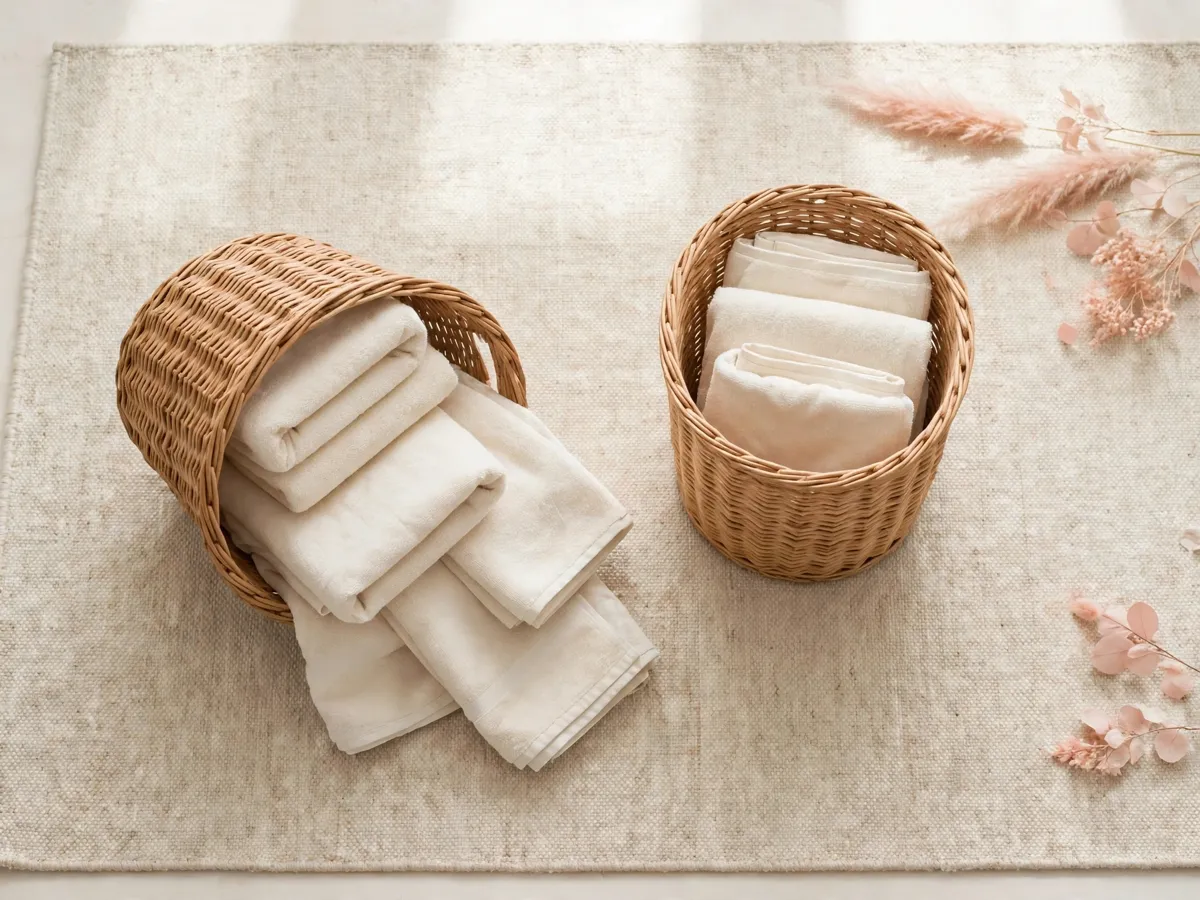
Pour a thin layer of rice into a deep tray and smooth it flat. The child draws a shape with one finger, shakes the tray to erase it and draws the next. A card with three shapes sits beside the tray for copying. Draw a circle, a square and a zigzag, then shake the tray flat and hand over the card.
Age 4-5 · 8 minutes · 2 supplies · An adult at the table; rice stays in the tray and off the floor.
Save these for the week
Pick three setups for the week rather than thirty. The salt tray, the counting cups and the sponge bowls share one tray and one towel, which makes them the easiest trio to start with. Pin the setup that fits your table, and the Crafts & Learning collection holds the tracing sheets, the scissor guides and the box crafts that sit beside this list.
Pediatric guidance on play and preschool development: HealthyChildren.org preschool ages & stages.